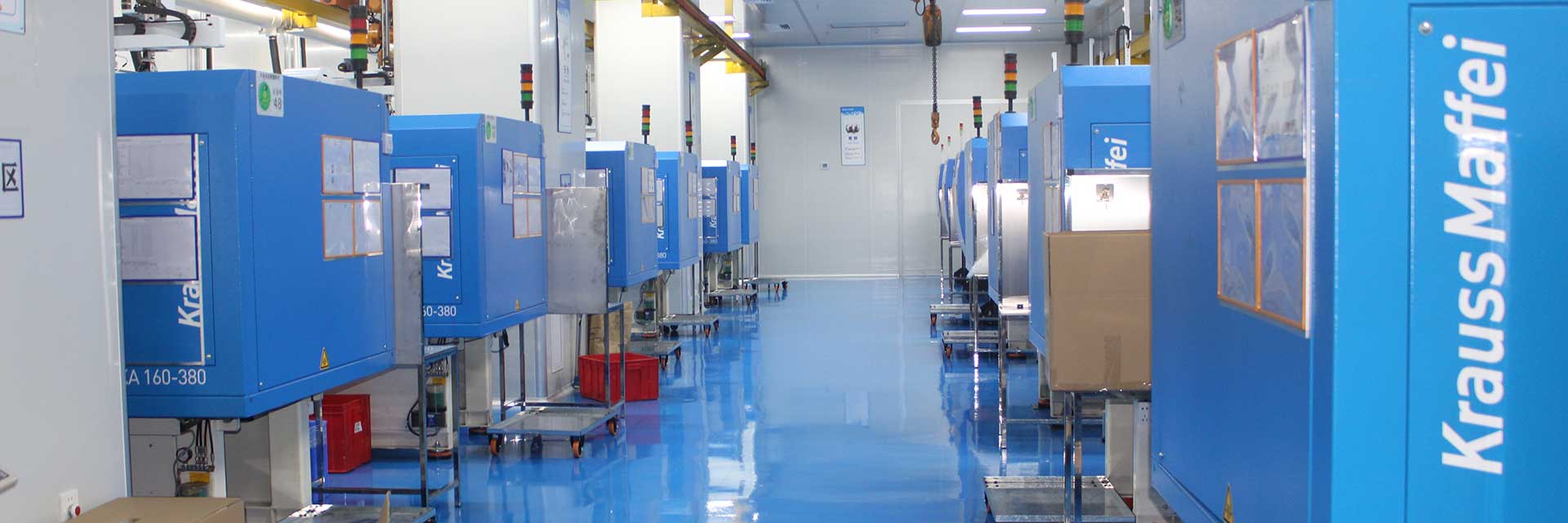
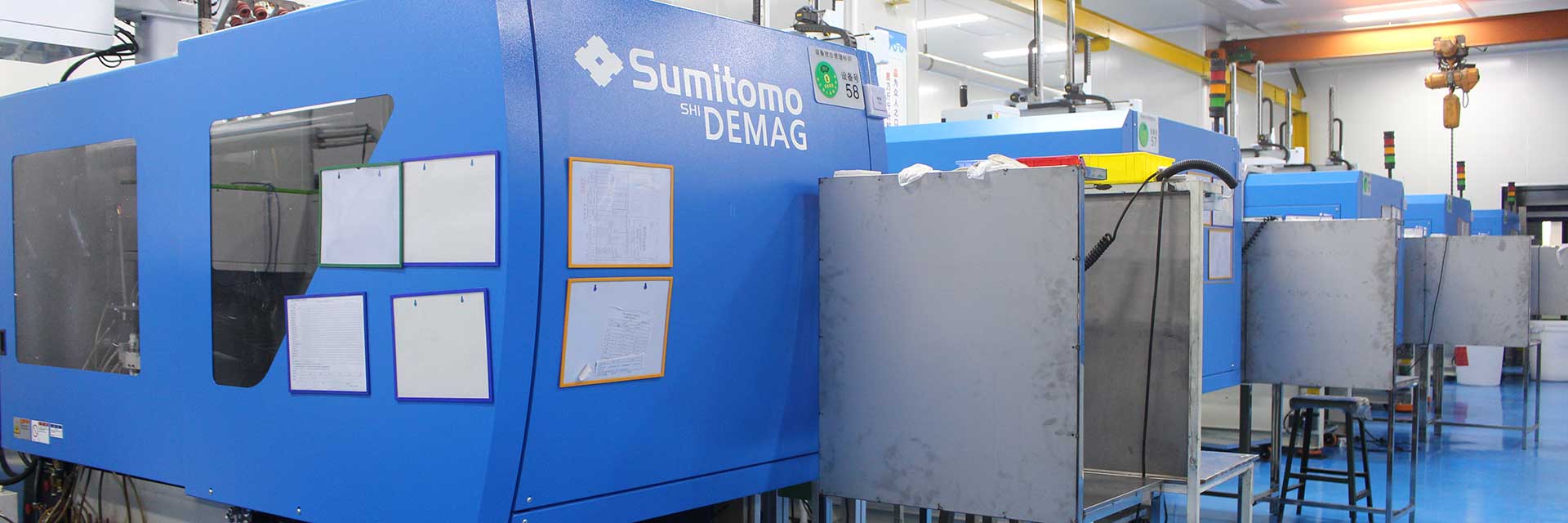
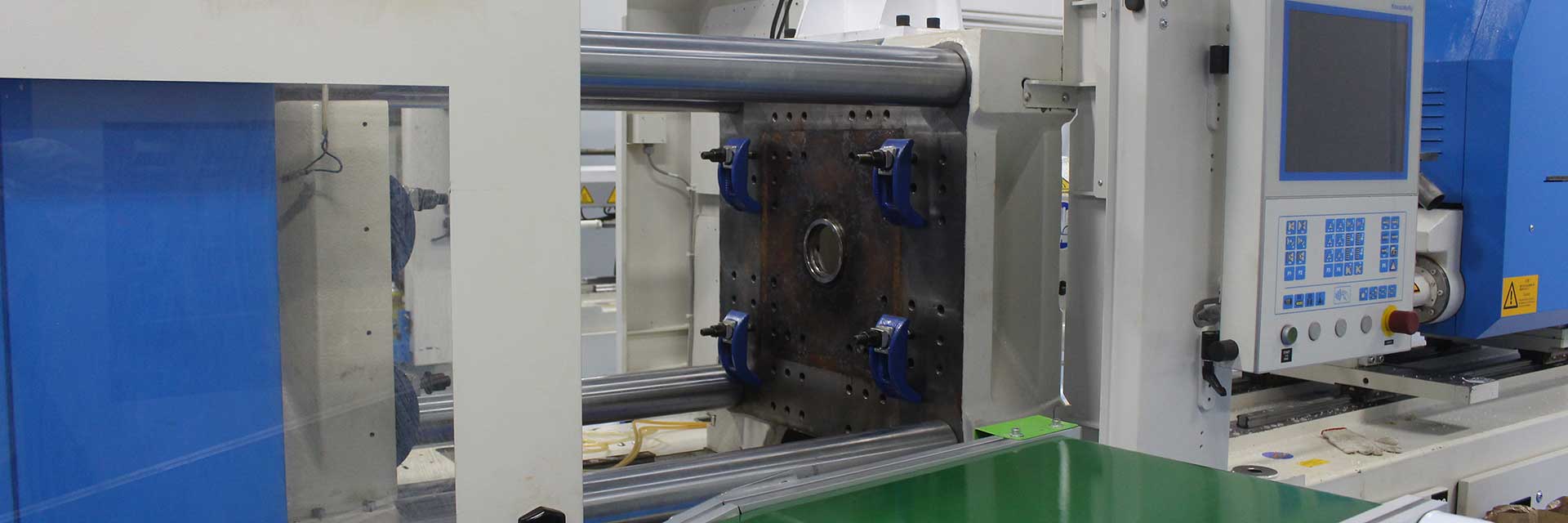
As the mainstream technology in the field of modern plastic molding, injection molding occupies an irreplaceable position in industries such as automotive, electronics, medical, and daily necessities due to its unique process characteristics. From phone cases to car bumpers, from precision gears to disposable syringes, injection molding can transform simple plastic particles into functional parts of various shapes, and its core competitiveness stems from a series of distinct technological and economic characteristics. This article will systematically analyze the eight core characteristics of injection molding and reveal its adaptation logic in the manufacturing industry.
1、 High molding efficiency, suitable for large-scale production
The most prominent feature of injection molding is its efficient mass production capability, which stems from its “closed-loop production” mode: the single molding cycle can be as short as a few seconds (such as 3-5 seconds/piece for small electronic connectors), coupled with multi cavity molds (such as 32 cavity bottle cap molds), the hourly production capacity of a single device can reach thousands or even tens of thousands of pieces.
Continuous operation capability: Modern injection molding machines are equipped with automated feeding, picking, and testing systems, which can achieve 24-hour uninterrupted production. The daily production capacity is stable and controllable, meeting the large-scale supply needs of industries such as automobiles and consumer electronics (such as a mobile phone model with an annual production capacity of 50 million units, requiring more than 200 million injection molded parts).
The scale effect is significant: although the initial investment in molds is high (tens of thousands to millions of yuan), the cost of molds per unit product decreases sharply as production increases. For example, a set of 1 million yuan molds can produce 10 million parts, with only 0.1 yuan allocated to each part, which is much lower than small batch processes such as 3D printing (which costs several yuan per piece).
2、 Capable of forming complex structures and achieving functional integration
Injection molding breaks through the limitations of traditional processing on part structure, and can form parts with complex features in one go without the need for multiple splicing, which is its core advantage in the field of precision manufacturing.
Complex geometric shapes: capable of directly forming thin-walled (0.1-0.5mm), deep cavities (depth/diameter>5), inverted buckles (such as buckles, threads) and other structures. For example, the laptop touchpad bracket integrates more than 10 features such as positioning columns, heat dissipation holes, and buckles. Injection molding can be completed in one go, while traditional mechanical processing requires 5-8 processes.
Multi material composite: Through technologies such as two-color injection molding and insert molding, different materials (such as hard rubber ABS+soft rubber TPE) or metal and plastic can be integrated into one piece. For example, the toothbrush handle is molded with a hard grip and soft anti slip pattern through two-color injection molding, eliminating the need for secondary bonding processes and increasing production efficiency by 40%.
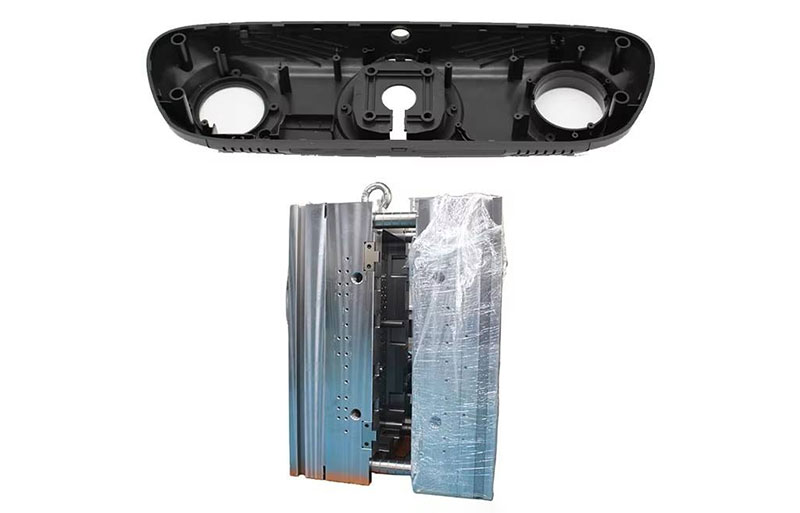
3、 High dimensional accuracy and strong consistency of parts
Injection molding can achieve micrometer level size control, ensuring high consistency of mass-produced parts, which is crucial for products that require precision fitting, such as gears and connectors.
Tolerance control capability: The dimensional tolerance of ordinary parts can be controlled within ± 0.05mm, while precision parts (such as optical lenses) can achieve a tolerance of ± 0.005mm through high-precision molds (processing accuracy ± 0.001mm) and closed-loop control injection molding machines, meeting the requirement of seamless assembly.
Excellent stability: The weight deviation of the same batch of parts is ≤ 1%, and the size fluctuation is ≤ 0.5%, which is much lower than manual molding or pouring processes. For example, the pin spacing tolerance requirement for automotive wiring harness plugs is ± 0.02mm, and injection molding can stably meet this standard by locking it with mold positioning pins and process parameters.
4、 Wide adaptability of materials to meet diverse performance requirements
Injection molding is compatible with hundreds of plastic materials, ranging from general plastics to high-performance engineering plastics, and can be flexibly selected according to product functional requirements, endowing parts with characteristics such as wear resistance, temperature resistance, flame retardancy, and conductivity.
Universal plastics: low-cost materials such as PP, PE, ABS, etc., suitable for daily necessities such as plastic cups and toys, with a molding temperature of 150-250 ℃ and simple processing.
Engineering plastics: PC (good transparency), PA66 (high strength), POM (wear-resistant), etc., used for electronic casings and automotive parts, requiring control of mold temperature and holding pressure parameters to reduce internal stress.
Special plastics: PEEK (resistant to 300 ℃ high temperature), PTFE (resistant to chemical corrosion), LCP (high-frequency insulation), etc., used in aerospace, medical, 5G fields, require dedicated injection molding machines (high-temperature resistant material cylinder, corrosion-resistant screw).
In addition, by adding modifiers such as fiberglass, carbon fiber, and flame retardants, the material properties can be further improved (such as increasing the tensile strength of fiberglass reinforced PA66 from 80MPa to 150MPa), expanding the application boundaries.
5、 High degree of automation, reducing dependence on manual labor
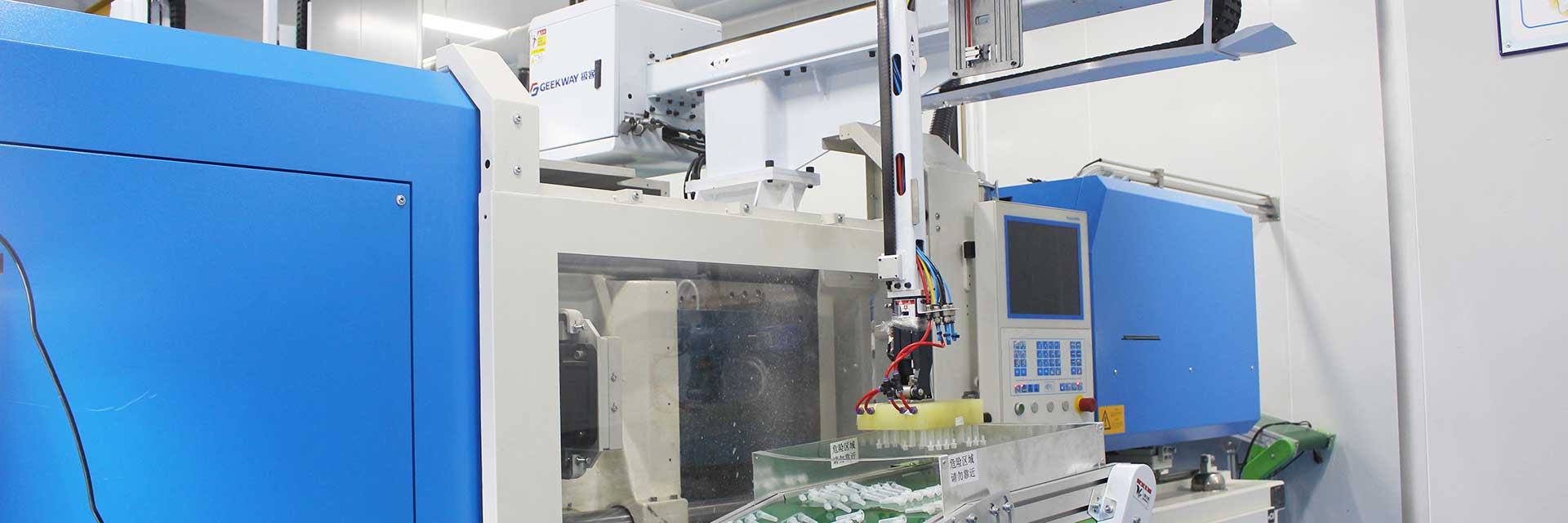
Injection molding is a model of automation application in the manufacturing industry, where the entire process from raw material transportation to finished product packaging can be unmanned, significantly reducing labor costs and operational errors.
Core automation equipment:
Robot parts retrieval: replacing manual parts retrieval from molds, with a speed of 3-5 times/minute and a positioning accuracy of ± 0.1mm;
Online detection: The visual system (with an accuracy of 0.01mm) identifies appearance defects (scratches, material marks) in real time and eliminates defective products;
Central feeding system: Automatically conveying raw materials through pipelines to multiple injection molding machines to avoid contamination and errors caused by manual feeding.
Labor cost advantage: An automated production line only requires 1-2 operators to monitor equipment, which increases per capita output by 5-10 times compared to traditional manual processes such as casting, especially suitable for areas with high labor costs.
6、 High material utilization and more environmentally friendly production
Compared with mechanical processing (cutting to remove excess materials), injection molding belongs to the “net forming” process, with a material utilization rate of over 95%, which is in line with the trend of green manufacturing.
Less waste: Only a small amount of channel condensate is generated (accounting for 5% -10% of the raw material), which can be crushed and re granulated with a recovery rate of ≥ 90% and a performance degradation of ≤ 5%. It is suitable for the production of non appearance parts.
Energy consumption can be controlled: Modern servo injection molding machines save 40% -60% more energy than traditional hydraulic presses. Combined with a waste heat recovery system (which uses the heat dissipation of the recycling drum to preheat the raw materials), it further reduces the energy consumption per unit product.
Environmentally friendly material adaptation: It can process biodegradable plastics (such as PLA, PBAT), recycled plastics (PCR materials), respond to the “dual carbon” policy, and meet the environmental requirements of industries such as food and medical.
7、 High initial investment, suitable for long-term production
The economy of injection molding processing has a clear “scale threshold”, and its cost structure presents the characteristics of “high fixed cost+low variable cost”:
Initial investment: Mold is the main cost (accounting for 60% -80% of the total investment). A simple single cavity mold costs about 10000 to 50000 yuan, while a complex multi cavity hot runner mold can cost millions of yuan, and the development cycle takes 2-8 weeks.
Low marginal cost: The proportion of raw materials, energy consumption, and labor costs in the mass production stage is low. For example, the raw material cost of a PP bottle cap is about 0.02 yuan, and the processing fee is about 0.01 yuan, which is suitable for long-term projects with an annual output of more than 1 million pieces.
Therefore, injection molding is more suitable for batch stable orders. The economy of small batches (<10000 pieces) or short-term projects (<6 months) is poor and needs to be coordinated with processes such as 3D printing.
8、 Strong dependence on molds, design determines upper limit
The quality and efficiency of injection molding are highly dependent on the performance of the mold, and the design level and manufacturing accuracy of the mold directly determine the upper limit of the part, which is a significant characteristic that distinguishes it from other processes.
Influence of mold structure:
The design of the cooling water circuit determines the uniformity of component cooling (temperature difference ≤ 5 ℃ can avoid warping);
The position and quantity of gates affect the flow of the melt (balanced filling can reduce weld marks);
The design of the exhaust system determines whether bubbles are generated (the depth of the exhaust groove should be 0.01-0.03mm).
Mold lifespan constraints: Ordinary molds have a lifespan of 100000 to 500000 mold cycles, while high-precision molds (such as optical molds) can reach over 1 million mold cycles. However, maintenance costs are high (regular polishing, replacement of top pins) and need to be included in production cost accounting.
Conclusion
The characteristics of injection molding can be summarized as “high efficiency, precision, flexibility, and intensification” – it can achieve large-scale production of complex parts and meet diverse performance requirements through the combination of materials and processes. But its characteristics of high mold investment and strong technological dependence also determine that it is more suitable for long-term, stable, and batch production scenarios. Understanding these characteristics can help companies leverage their strengths and avoid weaknesses in process selection, fully utilize the comprehensive advantages of injection molding in cost, efficiency, and quality, and promote the improvement of product competitiveness.