In modern manufacturing, injection molding technology has become increasingly mature, providing high efficiency and consistency guarantees for the mass production of plastic products. Among various injection molding processes, two-shot injection molding is gaining increasing favor among enterprises and designers. This is because it can mold two materials or two colors in a single operation, achieving coordinated optimization of product structure and appearance. This article will delve into the basic principles, process flow, advantages, and application scenarios of two-shot injection molding, helping you gain a comprehensive understanding of the charm of this advanced process.
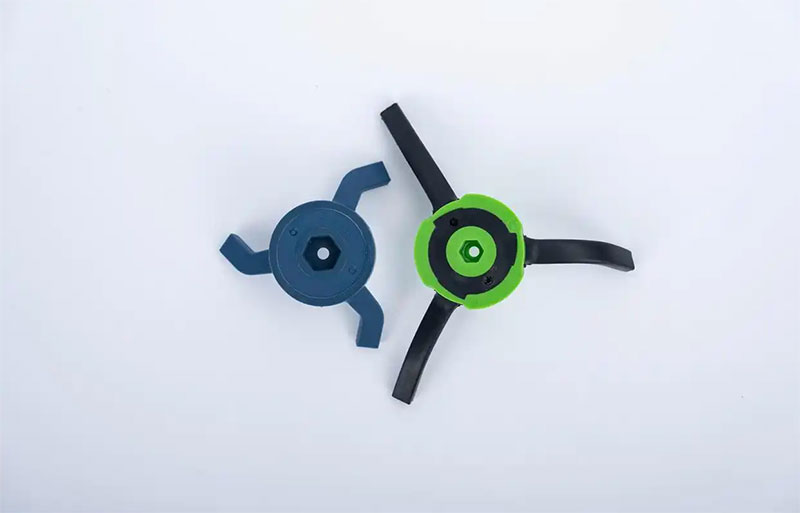
I. Basic Concept of Two-Shot Injection Molding
Two-shot injection molding, also known as double-mold molding or two-color molding, refers to conducting one or more additional injection molding operations on the basis of the initial injection molding of a product. Another material or another color of plastic is injected into a pre-designed dedicated area to form an integrated product. Compared with traditional single-shot injection molding, two-shot injection molding can not only optimize structural performance but also endow products with more visual and tactile variations, thereby enhancing product added value and market competitiveness.
II. Process Flow of Two-Shot Injection Molding
Two-shot injection molding typically involves the following main steps:
Base Material Molding
First, the hard base material of the product is molded through traditional injection molding processes. During the base material design, structures such as overmolding slots, snap-fits, and connection parts are reserved to accurately position the areas for the second injection molding.
Mold Design and Manufacturing
The design requirements for two-shot injection molds are higher. Not only must the processing accuracy of the hard base material be considered, but it is also necessary to ensure that the subsequent flexible or decorative layer material can be evenly injected and firmly bonded to the base material. Common designs include sequential injection molding or simultaneous injection molding, and suitable mold structures and cooling systems are selected according to product requirements.
Second Injection
After the base material is molded, it is fixed in a dedicated two-shot injection mold. An independent injection system is used to inject flexible or colored plastic into the reserved areas of the base material. This process requires precise control of temperature, pressure, and cooling time to ensure excellent adhesion and interface quality between the two materials.
Molding and Post-Processing
After the second injection is completed, the product is stabilized through packing and cooling. After the mold is opened and ejected, necessary post-processing operations such as removing flash and cleaning the surface are carried out to ensure a clean appearance and complete functionality.
III. Advantages and Applications of Two-Shot Injection Molding
Advantages
Integrated Molding
By integrating multiple materials in a single process, subsequent assembly and bonding operations are reduced, improving production efficiency and lowering production costs.
Enhanced Product Appearance and Tactile Sensation
Injecting a second layer of material with special colors or flexible properties onto the base material can enhance the product’s aesthetics, comfort, and slip resistance. For example, mobile phone cases, automotive instrument panels, and home appliance control panels all exhibit elegant and high-quality appearances thanks to two-shot injection molding technology.
Optimized Structural Functions
Two-shot injection molding not only meets外观设计 (I assume you mean “appearance design” here, so I’ll translate it as such) requirements but can also introduce higher impact resistance, wear resistance, and shock absorption functions in critical areas of components, thereby improving the overall performance of the product.
Application Fields
Two-shot injection molding is widely used in the following fields:
- Consumer Electronics: Such as mobile phones, tablets, and remote controls, where flexible overmolding is used to improve tactile sensation and drop resistance.
- Automotive Interiors: Steering wheels, instrument panels, and door trim components, where two-color designs enhance visual hierarchy and comfort.
- Home Appliances: Control panels of refrigerators, washing machines, and microwave ovens, where two-color molding achieves a unified appearance and practical functionality.
- Medical Devices: Some medical equipment housings adopt two-shot injection molding, which not only ensures structural stability but also enhances the user experience.
IV. Issues to Consider in Two-Shot Injection Molding
Material Selection and Compatibility
There are differences in the chemical properties and thermophysical properties of different materials. It is essential to ensure that the base material and the overmolding material have good compatibility and adhesion. If necessary, surface pretreatment or the addition of an intermediate layer can be used to optimize the bonding effect between the two materials.
Mold Design Accuracy
The mold must be precisely designed to ensure accurate alignment of the injection points and runners for the two injection molding operations. Key aspects such as base material positioning, runner design in the overmolding area, vent hole distribution, and cooling system configuration must be considered in the design.
Optimization of Process Parameters
Precise control of temperature, pressure, packing time, and cooling time is crucial for ensuring the quality of two-shot injection molded products. Continuously optimizing process parameters through mold trials and simulation analysis can effectively prevent issues such as material mixing, interface separation, or product warping.
Quality Control and Post-Maintenance
Strictly inspect the products to ensure that all indicators meet the design requirements. At the same time, regular maintenance and upkeep of the mold are also essential to ensure long-term stable production.
V. Conclusion
Two-shot injection molding technology, with its integrated manufacturing process, excellent appearance effects, and functional integration advantages, provides a brand-new solution for modern product design and manufacturing. Whether it is improving the tactile sensation of consumer electronics products or optimizing the appearance of automotive interiors and home appliances, two-shot injection molding has demonstrated strong application potential. In the future, with the continuous progress of material technology and intelligent manufacturing, two-shot injection molding is bound to bring innovation and breakthroughs to more fields, helping enterprises stand out in fierce market competition.