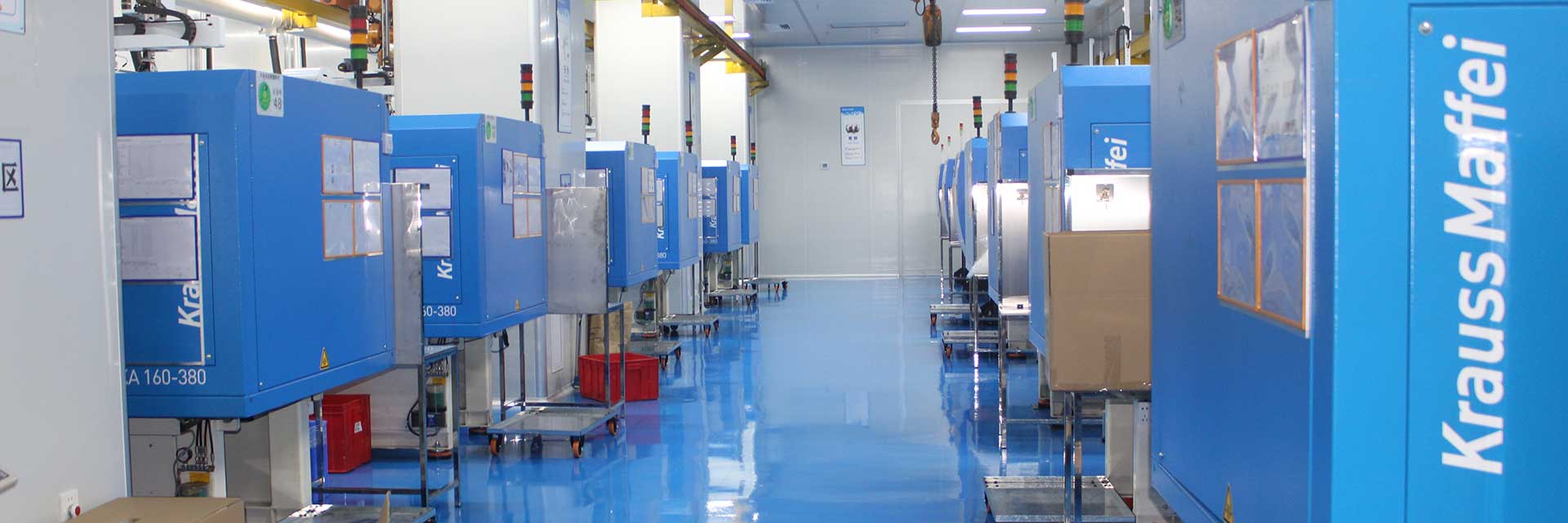
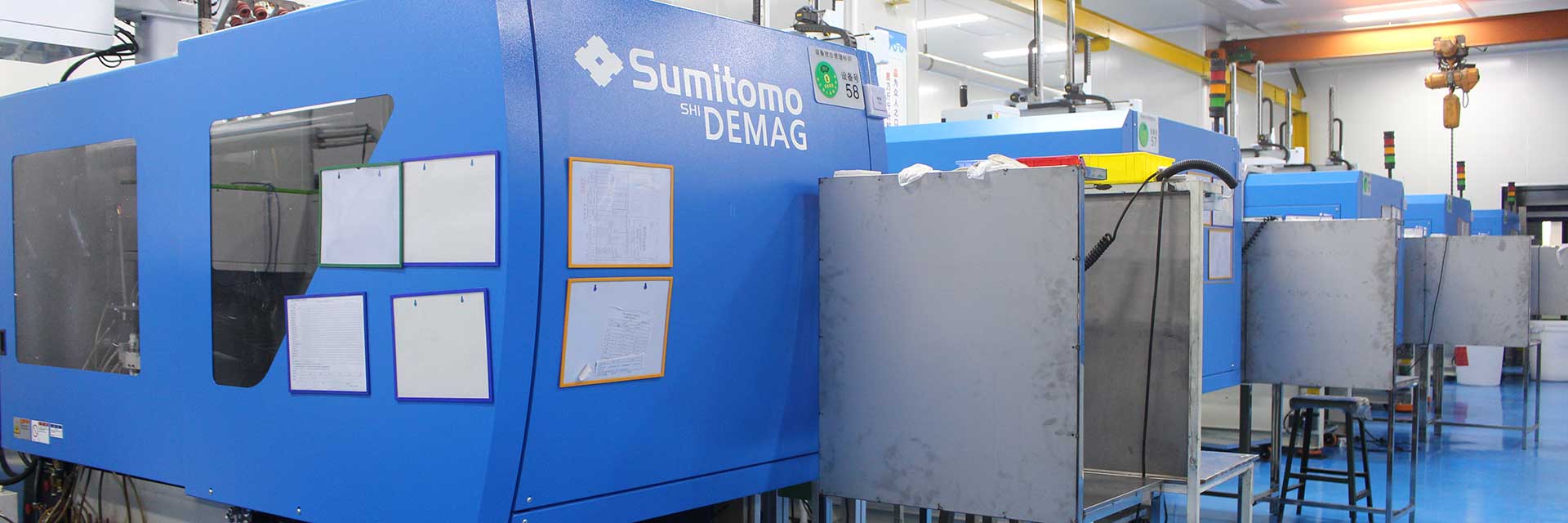
Injection molding is a manufacturing process that utilizes the thermophysical properties of plastics to create plastic parts. It involves injecting molten plastic into a mold and allowing it to cool and harden to obtain products of the desired shape. This method offers high production speed and efficiency, enables automated operation, and can process products of various shapes, from simple to complex and from small to large, with precise dimensions. It is highly suitable for mass-producing complex-shaped components. The following is a detailed introduction to the specific steps in injection molding processing.
Mold Closing
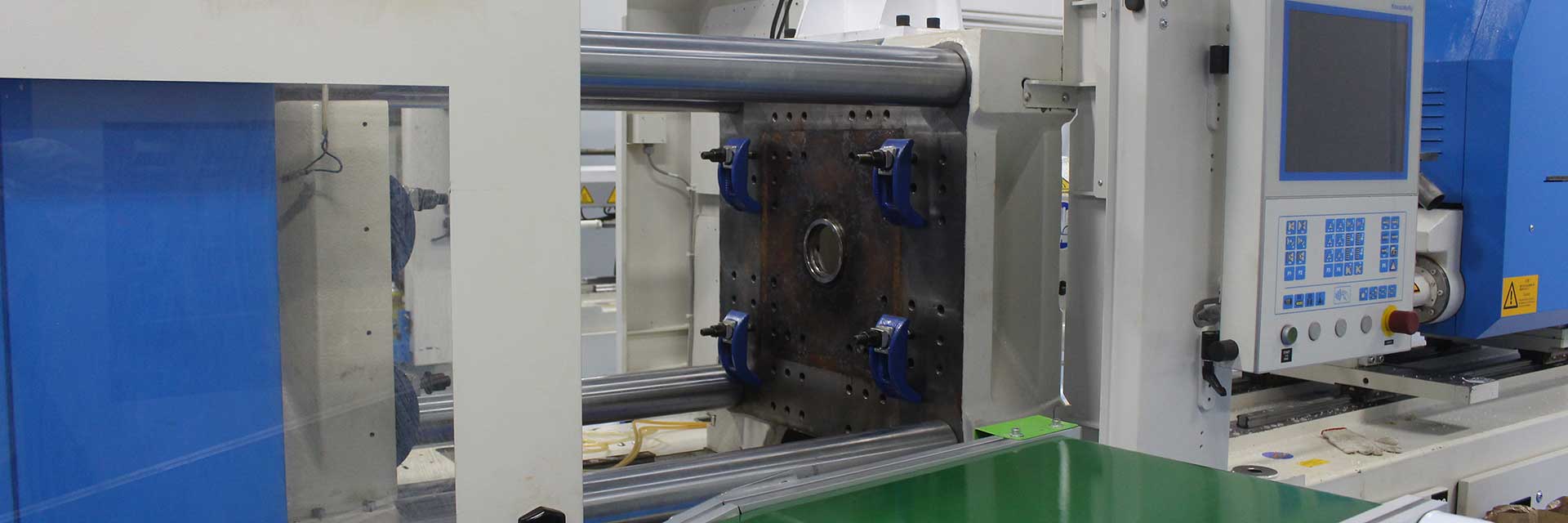
After confirming that there are no foreign objects inside the mold, that inserts are properly installed and secure, close the front safety door and initiate the mold-closing program. Before injecting material into the mold, the two halves of the mold need to be closed using a mold-closing device. When the moving mold approaches the fixed mold, the power ejection system and hot runner system of the mold-closing mechanism automatically switch to low pressure and low speed (trial mold-closing pressure). After confirming that there are no foreign objects in the mold and that the inserts are not loose, switch to high pressure to lock the mold tightly.
Injection Unit Advancing
This action is typically only used during the initial trial molding stage or when injecting special materials. In normal production, the injection units of most injection molding machines are fixed. After confirming that the mold has reached the required degree of locking, the injection unit moves forward, bringing the nozzle into contact with the mold gate to connect the channels between the nozzle, mold runner, and cavity.
Injection
After confirming that the nozzle is in contact with the mold, the screw applies pressure to the molten material, injecting the molten material at the front end of the barrel into the mold cavity at high pressure and high speed, ultimately filling the cavity to about 95%. Injection filling is the first step in the entire injection molding cycle. Theoretically, the shorter the filling time, the higher the molding efficiency. However, in practice, the molding time and injection speed are limited by various conditions.
Packing (Holding Pressure)
After the molten material fills the mold cavity, the screw continues to maintain a certain pressure on the molten material to prevent the molten material in the cavity from flowing back and to supplement the molten material required for material cooling shrinkage, ensuring the product’s density, dimensional accuracy, and good mechanical properties. During the packing stage, the screw moves forward slightly. The role of the packing stage is to continuously apply pressure to compact the melt, increase the plastic density (densification), and compensate for the plastic’s shrinkage behavior. Since the cavity is already filled with plastic, the back pressure is relatively high during packing, and the screw can only move forward slowly over a short distance, with a relatively slow plastic flow rate, known as packing flow. As the plastic is cooled and solidified by the mold wall, the melt viscosity increases rapidly, and the cavity resistance increases. In the later stage of packing, the material density continues to increase, and the molded part gradually forms. The packing stage should continue until the gate solidifies and seals. At this point, the cavity pressure during the packing stage reaches its maximum value.
Cooling (Plastic Melting and Withdrawal)
When the packing has proceeded to the point where the melt in the cavity can no longer flow back through the gate (i.e., the gate has solidified), the pressure can be released. The product continues to cool while the screw rotates, conveying the plastic pellets that have fallen from the hopper into the barrel forward along with its rotation. During the conveying process, the material is gradually compacted. Under the combined action of external heating of the barrel screw and the frictional heat generated by the screw, the material gradually melts and plasticizes, eventually reaching a viscous-fluid state and building up a certain pressure, causing the screw to rotate and retreat simultaneously. When the screw retreats to the metering valve position, plasticization stops, preparing for the next injection. Adjusting the back pressure can make the material denser, remove moisture and low-molecular substances, and achieve more uniform plasticization. When plasticization rotation stops, the screw moves backward a certain distance to reduce the melt pressure at the front end and prevent nozzle drooling. Plastic melting and product cooling occur simultaneously, and usually, the plastic melting time does not exceed the product cooling time. In injection molds, the design of the cooling system is crucial because only when the plastic product has cooled and solidified to a certain rigidity can it avoid deformation due to external forces during ejection. Since cooling time accounts for 70% – 80% of the entire molding cycle, a well-designed cooling system can significantly shorten the molding time, improve injection molding production efficiency, and reduce costs. Conversely, an improperly designed cooling system will prolong the molding time, increase costs, and uneven cooling can also lead to warping and deformation of the plastic product.
Injection Unit Retreating
After the screw has completed plasticization and metering, sometimes to prevent the formation of cold material at the nozzle, the nozzle needs to be moved away from the mold, and the injection unit retreats. This action is used in conjunction with the plastic melting action. There are three plastic melting methods: fixed plastic melting, plastic melting before injection, and plastic melting after injection. Usually, the fixed plastic melting and plastic melting before injection methods are used.
Secondary Cooling
Product cooling and screw plasticization usually overlap in time, with the cooling time generally being longer than the plastic melting time. The product must be cooled below its glass transition temperature before the mold can be opened to prevent deformation during ejection.
Mold Opening
After the product has been adequately cooled, open the mold promptly to shorten the molding cycle and improve production efficiency. At the beginning of mold opening, use high pressure and low speed to separate the product from the fixed mold, then switch to medium pressure and high speed. Near the end of mold opening, switch to low pressure and low speed to prevent impact. When the mold opening distance is sufficient to remove the product, terminate the mold opening action.
Ejection
After confirming that the mold is fully open, the ejection mechanism acts to push the product out of the mold.
Part Removal
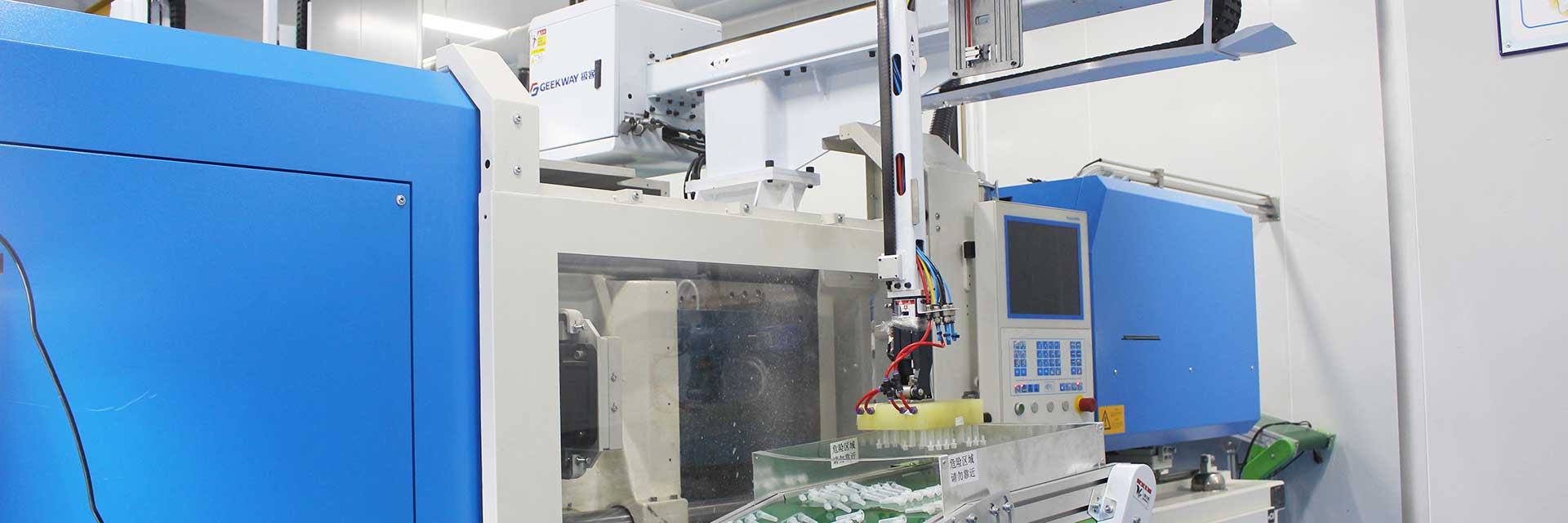
In semi-automatic production, the operator manually removes the runner condensate and all products. In fully automatic production, a robot removes the runner condensate and products, or the products and runner condensate fall automatically and reliably.
Ejector Pin Retraction
After the product has been removed from the mold, the ejector pins retract to their original positions, preparing for the next injection molding cycle.
The above standard steps of the injection molding cycle are repeated continuously to enable mass production of products. For products with an uncomplicated structure, the injection time is approximately 6 seconds, the packing time is about 10 seconds, the cooling time is around 25 seconds, the mold opening plus ejection time is about 3 seconds, the robot part removal time is about 3 seconds, and the manual part removal time is about 6 seconds.