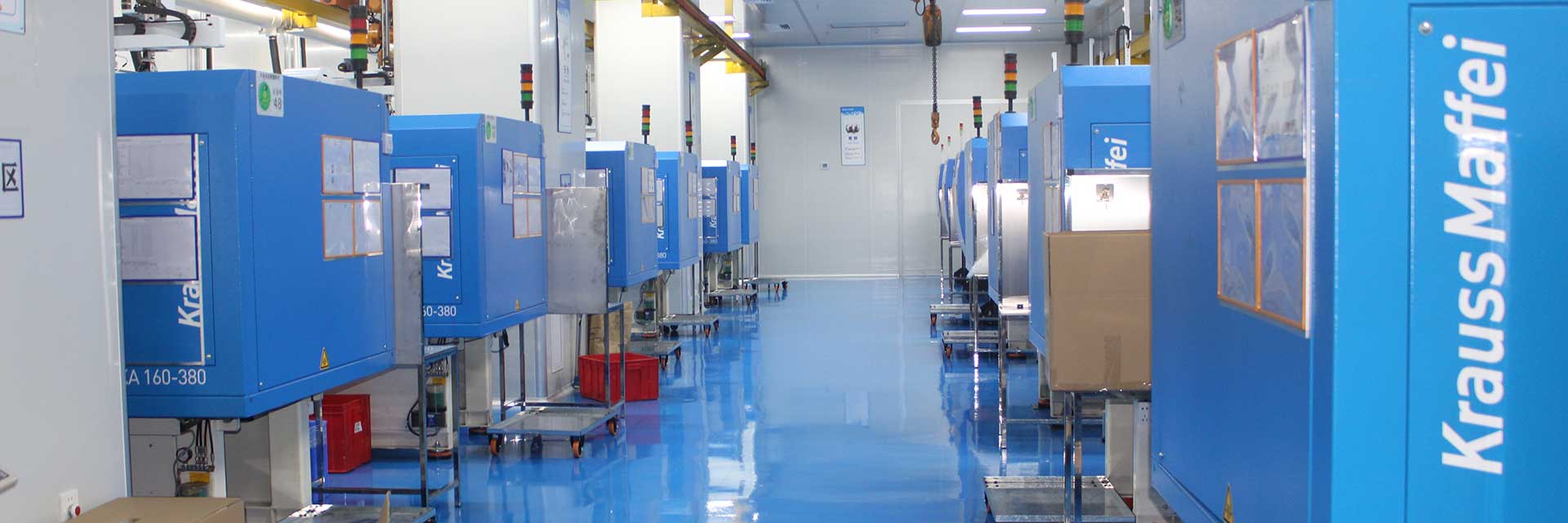
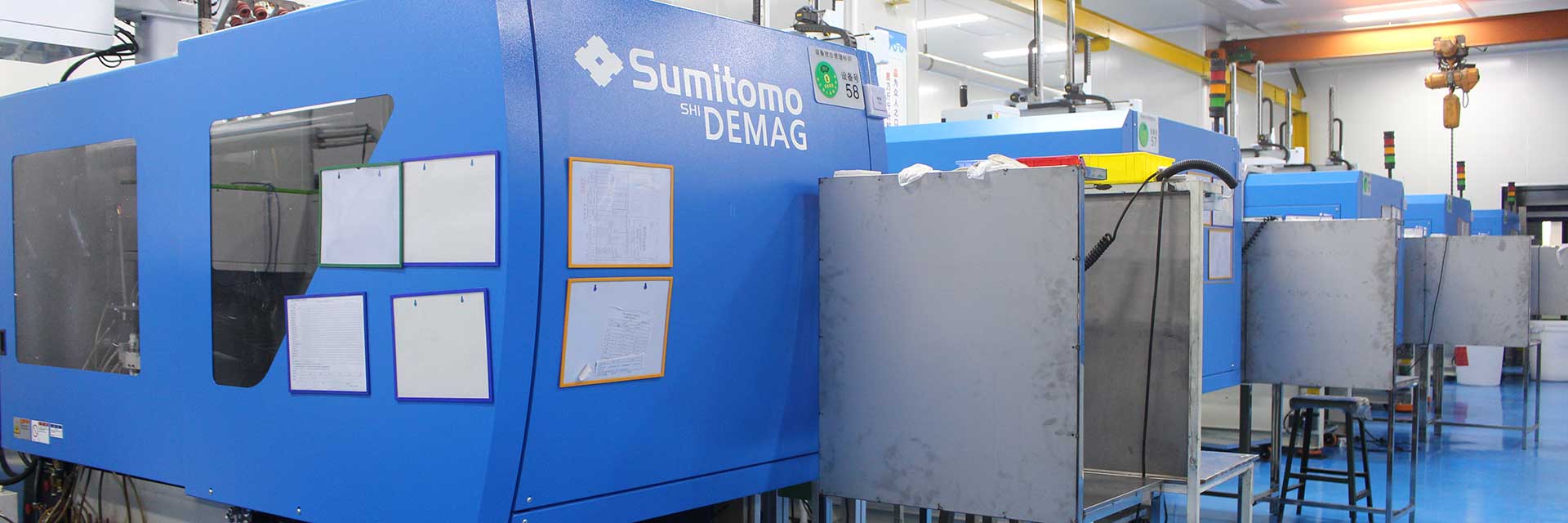
Plastic shell injection molding processing is a widely used molding technology in numerous fields such as electronics, home appliances, and automotive industries. It involves injecting molten plastic material into a mold cavity, which then cools and solidifies to form a plastic shell product with a specific shape.
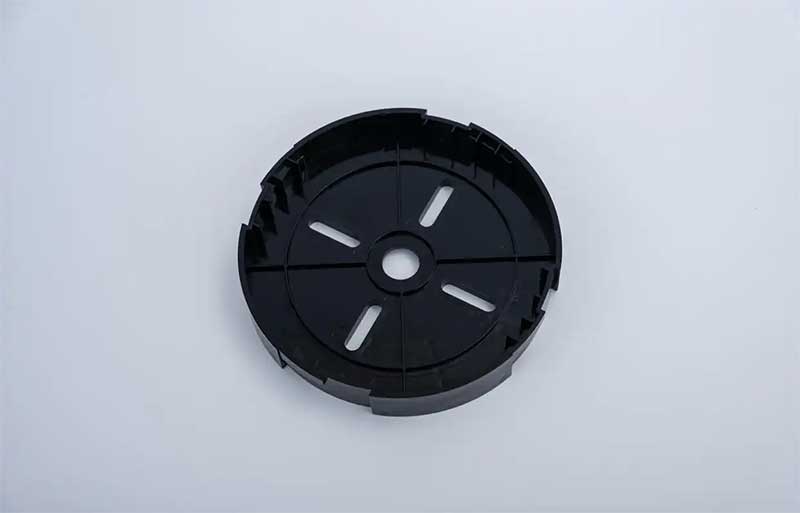
In the process of plastic shell injection molding processing, the setting of process parameters is of crucial importance. The injection temperature needs to be precisely adjusted according to the characteristics of the plastic material being used. If the temperature is too high, it may lead to the decomposition of the plastic material, affecting product quality. Conversely, if the temperature is too low, the fluidity of the plastic melt will deteriorate, making it difficult to fill the mold cavity completely and prone to defects such as short shots. The reasonable selection of injection pressure and holding pressure also directly impacts the molding effect of the product. Sufficient injection pressure ensures that the plastic melt can smoothly fill the mold cavity, while appropriate holding pressure reduces product shrinkage and deformation.
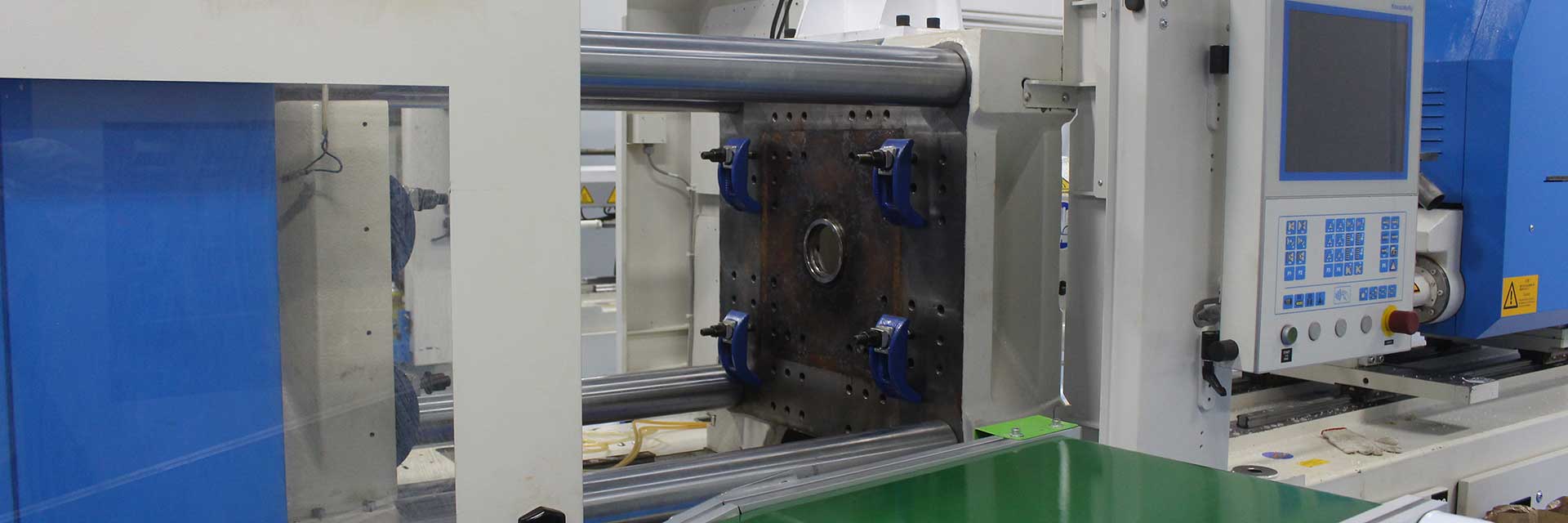
The mold is the core equipment in plastic shell injection molding processing, and its design quality and manufacturing precision have a decisive influence on the dimensional accuracy and surface quality of the product. The cavity structure of the mold should match the shape of the plastic shell, and at the same time, the flow path of the plastic melt should be considered to ensure that the melt can uniformly fill every corner. In addition, the design of the mold’s cooling system cannot be overlooked. A well-designed cooling system enables the plastic shell to cool and set quickly and uniformly, improving production efficiency and product quality stability.
Various defects can also occur during plastic shell injection molding processing. In addition to the common short shot, there are also flash, sink marks, and bubbles. Flash usually results from improper mold clamping or excessive injection pressure. Sink marks are mostly caused by uneven cooling and shrinkage of the plastic. Bubbles may be due to the presence of moisture in the plastic material or the failure to exhaust air completely. To effectively control and resolve these defects, measures such as optimizing process parameters, improving mold design, and strengthening raw material inspection need to be taken.
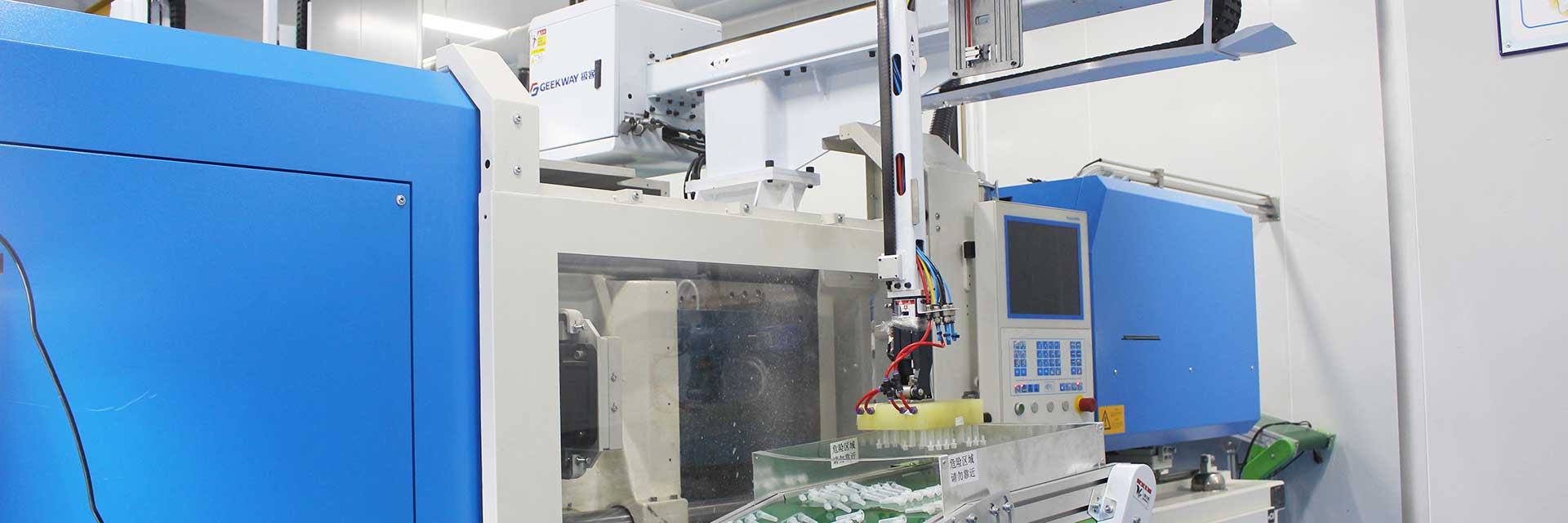
With the continuous development of science and technology, plastic shell injection molding processing technology is also constantly advancing. Automated and intelligent injection molding production equipment is gradually being widely applied, not only improving production efficiency but also enhancing the consistency of product quality. Meanwhile, the research and development and application of new environmentally friendly plastic materials have injected new vitality into the sustainable development of the plastic shell injection molding processing industry.
In conclusion, plastic shell injection molding processing is a systematic project involving multiple aspects such as materials, processes, and molds. Only by scientifically and reasonably controlling each link can high-quality plastic shell products that meet the requirements be produced.