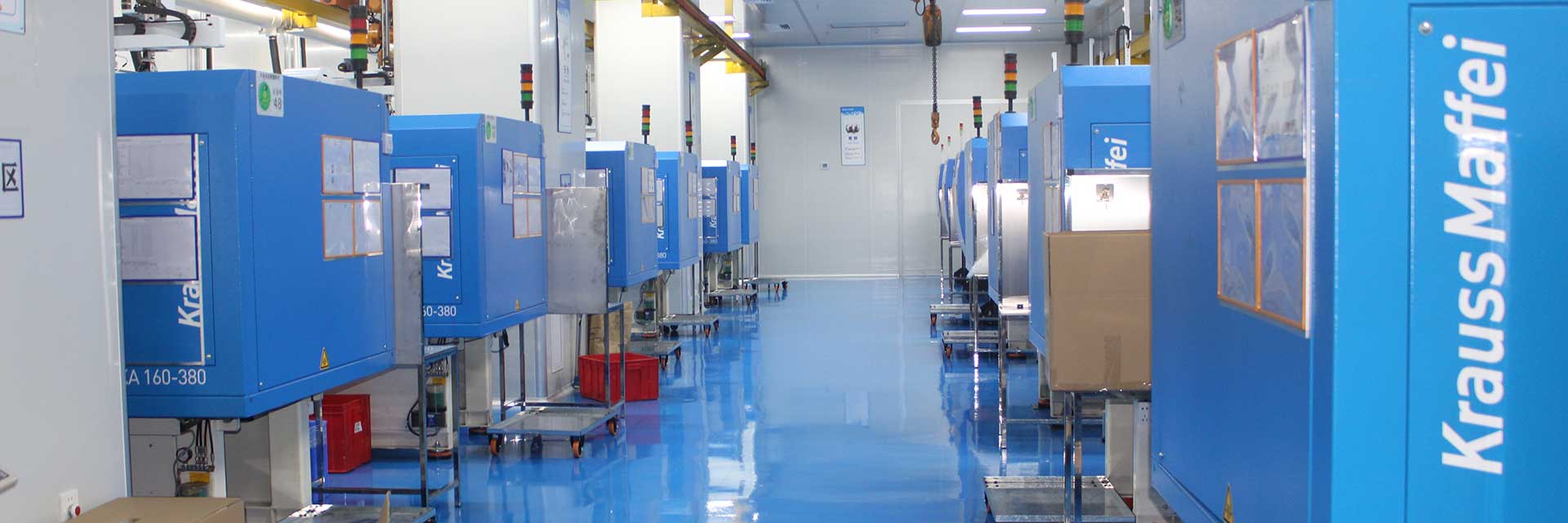
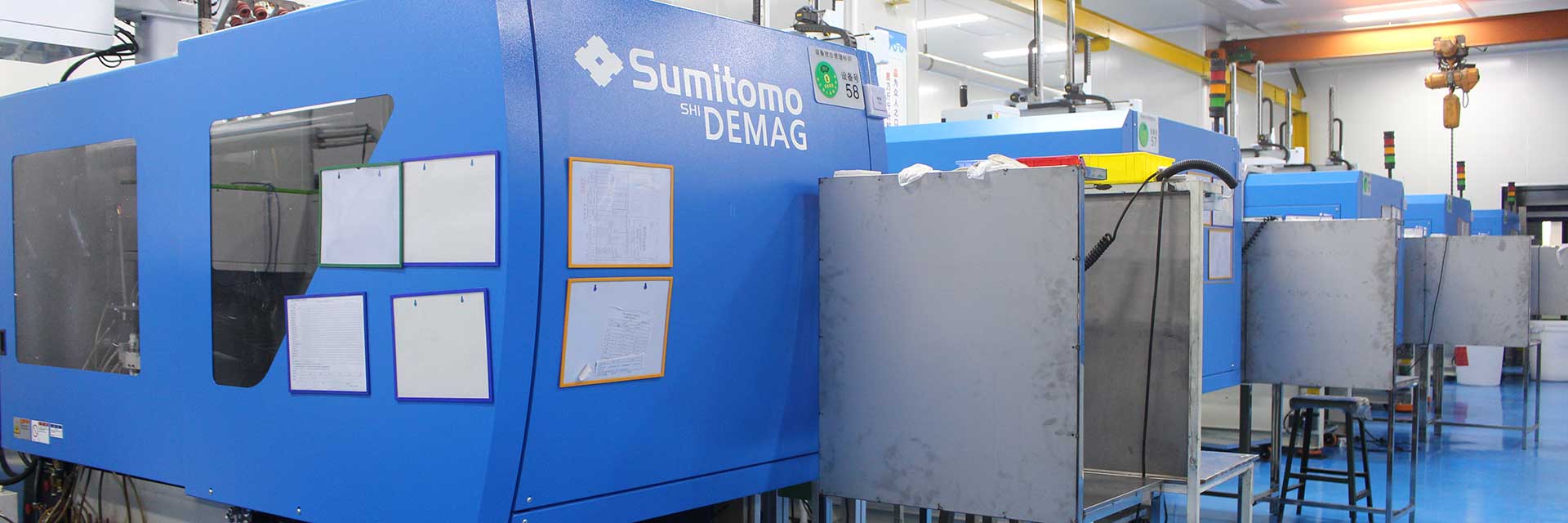
As one of the core processes of plastic molding, injection molding is widely used in many fields such as automotive, electronics, home appliances, medical, etc. due to its advantages of high efficiency, batch production, and high precision. The processing process involves multiple dimensions such as raw materials, equipment, molds, process parameters, quality control, etc. Any deviation in any link may lead to product defects. Mastering the key points of injection molding is the core of ensuring stable product quality, improving production efficiency, and reducing costs.
1、 Raw material preparation
The quality of raw materials directly determines the final performance of injection molded products, and standardized pretreatment is a prerequisite for ensuring smooth processing. The key points of this stage focus on three aspects: material selection, pretreatment, and mixing.
(1) Accurate selection of materials
The requirements for product performance vary significantly in different application scenarios, and material selection should take into account mechanical properties, chemical stability, formability, and economy. For example, automotive exterior components need to use weather resistant ABS/PC alloy materials to resist aging caused by wind and sun exposure; Food packaging must use PP or PE materials that meet food safety standards to ensure non-toxic and harmless properties; The casing of electronic components needs to have insulation and flame retardancy, and PBT/PC composite materials are often selected. At the same time, it is necessary to strictly inspect the appearance of raw materials, remove materials containing impurities, clumps, and discoloration, and avoid their impact on the surface quality and mechanical properties of the product.
(2) Adequate preprocessing
Most plastic raw materials have hygroscopicity, such as PA (nylon), PC (polycarbonate), PBT (polybutylene terephthalate), etc. If the moisture content is too high, the moisture will vaporize during the injection molding process, causing defects such as bubbles, silver lines, and cracking in the product. Therefore, drying treatment must be carried out before processing. The drying parameters need to be accurately set according to the material characteristics. For example, PC materials are usually dried at 120-130 ℃ for 4-6 hours, while PA66 needs to be dried at 100-110 ℃ for 8-10 hours. After drying, the moisture content of the material needs to be tested to ensure that it is below the upper limit allowed by the material (generally not exceeding 0.05%). In addition, for some products that require coloring, a dedicated mixing machine should be used to evenly mix the color masterbatch and raw materials after drying. The mixing time is usually 10-15 minutes to avoid uneven color.
2、 Equipment debugging
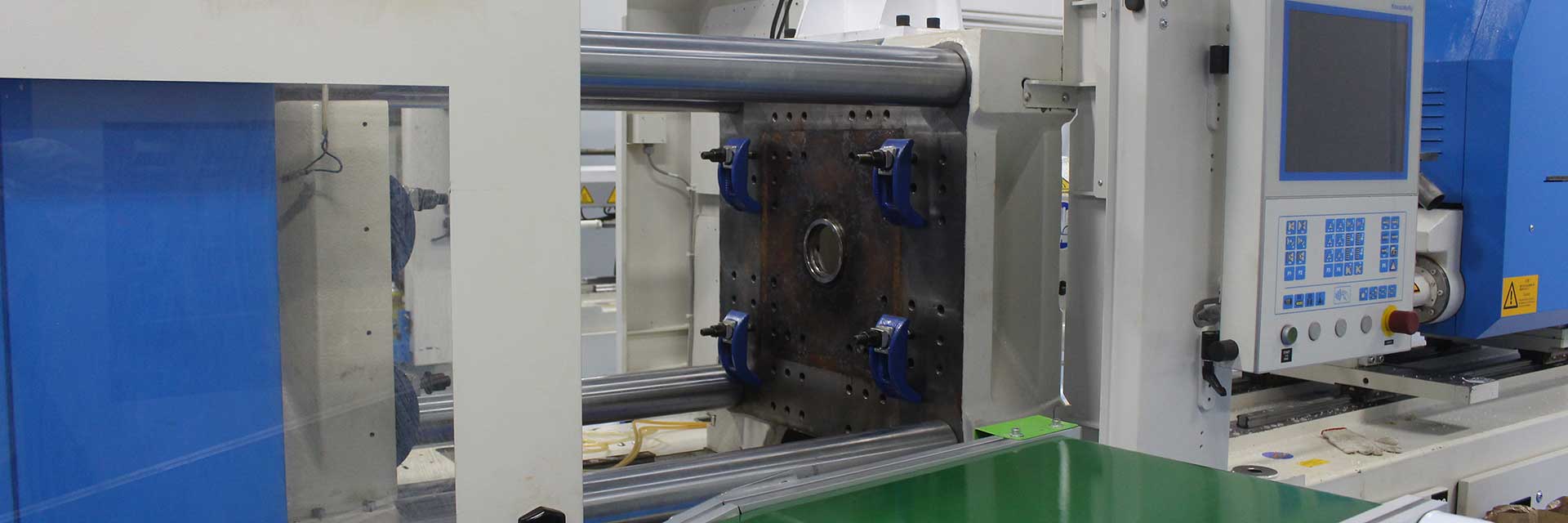
Injection molding machine is the core equipment of injection molding processing, and its performance stability and debugging accuracy directly affect the molding process. Equipment debugging should focus on the key components and parameter matching of injection molding machines, with a particular emphasis on the following points.
(1) Core parameter matching
Firstly, the specifications of the injection molding machine need to be determined based on the mold size and product weight to ensure that the locking force and injection volume match the production requirements. Insufficient clamping force can cause overflow (flying edges) on the parting surface of the mold during injection molding, while excessive clamping force can increase equipment energy consumption and accelerate mold wear; The injection amount should be 1.2-1.5 times the weight of the product. If the injection amount is insufficient, it will lead to a shortage of material in the product. If it is excessive, it will cause waste of raw materials and aging of materials in the barrel. Secondly, it is necessary to check the heating system of the material barrel to ensure that the heating coils in each section are heated evenly, and the temperature display is consistent with the actual temperature of the material barrel, in order to avoid poor plasticization of the material due to uneven heating. At the same time, debug the hydraulic system and lubrication system to ensure smooth and stable actions such as mold locking, injection, and ejection, without any jamming or abnormal noise.
(2) Collaborative auxiliary equipment
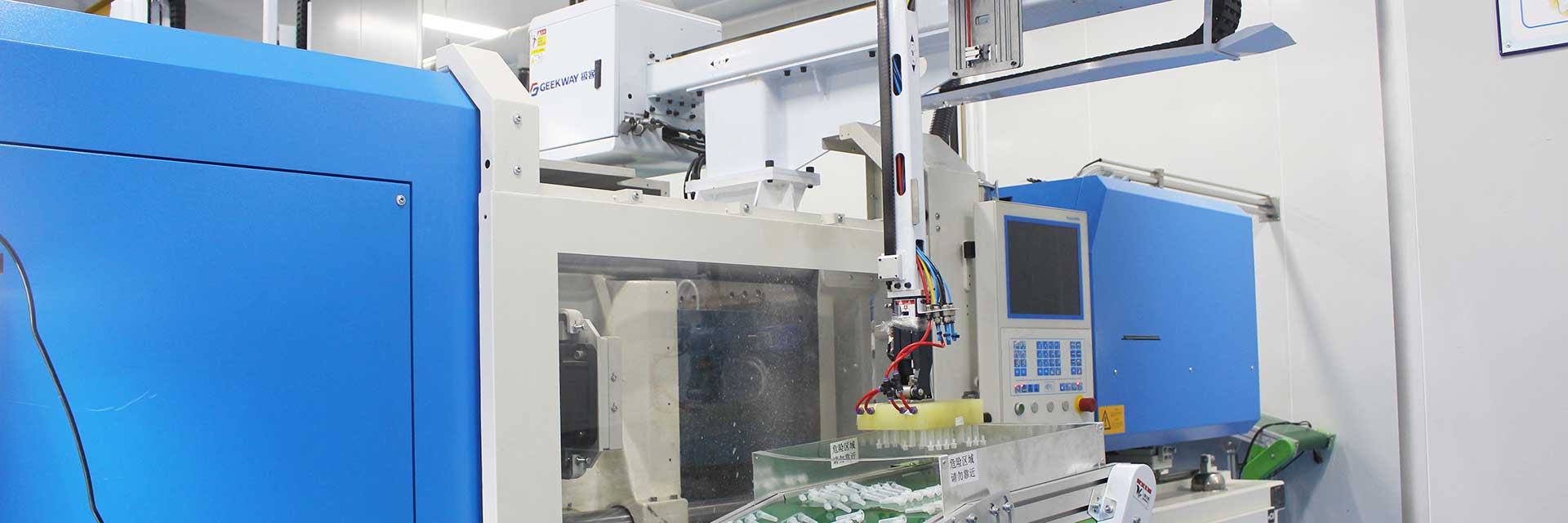
In addition to injection molding machines, the debugging of auxiliary equipment such as feeders, dryers, and chillers is also crucial. The feeding machine needs to adjust the feeding speed to synchronize with the production cycle of the injection molding machine to avoid material breakage or accumulation; The water temperature of the chiller needs to be set according to the cooling requirements of the mold, generally controlled at 15-25 ℃, to ensure stable mold temperature, improve product cooling efficiency and dimensional accuracy; For automated production lines, it is necessary to adjust the feeding position, speed, and placement accuracy of the robotic arm to ensure coordination and consistency with the actions of the injection molding machine.
3、 Mold management
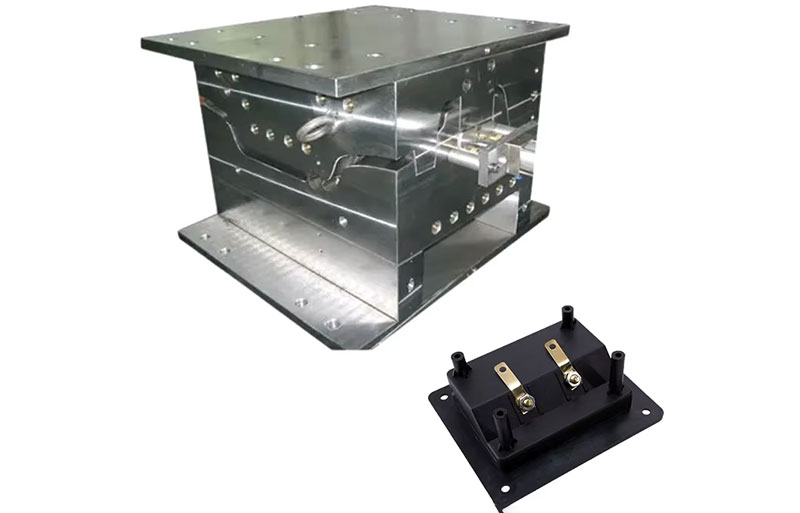
Mold is a key tool that determines the shape, size, and surface quality of products. Its design rationality, processing accuracy, and maintenance directly affect the injection molding effect. Mold management needs to be integrated throughout the entire process of design, installation, use, and maintenance.
(1) Mold design and installation
Mold design should fully consider product structure, reasonably set gate positions and quantities, and ensure uniform material filling; For products with uneven wall thickness, transitional structures need to be designed to avoid shrinkage marks or indentations; At the same time, the mold needs to be equipped with a complete cooling water channel and exhaust system. The cooling water channel should be close to the surface of the mold cavity and evenly distributed. The depth of the exhaust groove is generally controlled at 0.02-0.05mm, with a width of 5-10mm, to ensure timely discharge of gas from the mold cavity and avoid bubbles and burning defects. When installing the mold, specialized lifting tools should be used to lift and place it gently to avoid collisions; After installation, it is necessary to adjust the positioning of the mold to ensure that the center of the mold is aligned with the injection center of the injection molding machine. When locking the mold, the mold surface should be tightly fitted without displacement.
(2) Mold use and maintenance
Before injection molding, it is necessary to clean and lubricate key parts such as the mold cavity, guide column, and guide sleeve, and apply specialized mold lubricant to avoid wear and sticking of the mold; During the production process, it is necessary to regularly check the temperature of the mold, the smoothness of the cooling water channel, and whether the exhaust groove is blocked. If the cooling water channel is found to be blocked, it should be promptly cleared with a high-pressure water gun or specialized cleaning agent. After production is completed, it is necessary to clean the residual materials inside the mold, especially for easily degradable materials such as PVC. The mold cavity should be thoroughly cleaned to prevent residual materials from aging and corroding the mold; For molds that are not used for a long time, anti rust oil should be applied and sealed for storage to avoid moisture and rust.
4、 Process parameter setting
Injection molding process parameters are the “soul” of injection molding processing, mainly including three core parameters: temperature, pressure, and time, which need to be precisely optimized according to material characteristics and product requirements.
(1) Temperature parameters
The temperature parameters mainly include barrel temperature, nozzle temperature, and mold temperature. The temperature of the material barrel should be set according to the melting point and flowability of the material, using a “segmented heating” method. The temperature gradually increases from the hopper to the nozzle to ensure that the material is plasticized evenly. For example, the temperature of the PP material barrel is generally 160-220 ℃, with a lower temperature in the front section and higher temperatures in the back section and nozzle. The nozzle temperature should be slightly higher than the temperature at the end of the barrel to avoid the material from cooling and solidifying at the nozzle, but it should not be too high to prevent material decomposition. The mold temperature should be set according to the requirements of product crystallinity and surface quality. For crystalline plastics such as PP and PA, a higher mold temperature can improve crystallinity and mechanical properties. For amorphous plastics such as PC and ABS, a lower mold temperature can shorten cooling time and improve production efficiency.
(2) Pressure parameters
The pressure parameters include injection pressure, holding pressure, and mold locking pressure. The injection pressure should be set according to the material fluidity and product structure. For materials with poor fluidity (such as PC) or products with complex structures and thin wall thickness, the injection pressure should be increased, usually 80-150MPa, to ensure that the material fills the mold cavity; The holding pressure is usually 50% -70% of the injection pressure, which is used to supplement the shrinkage of materials in the mold cavity, prevent product shrinkage marks and size shrinkage, and adjust the holding time according to the product wall thickness. The thicker the wall thickness, the longer the holding time. The locking pressure should be calculated based on the mold size and injection pressure, generally 1.2-1.5 times the injection pressure, to ensure tight locking and no overflow.
(3) Time parameter
The time parameters include injection time, holding time, cooling time, and cycle time. The injection time should be set according to the product volume to ensure that the material fills the mold cavity within the specified time, usually 2-10 seconds; The holding time should be coordinated with the holding pressure to ensure sufficient material shrinkage, usually 5-30 seconds; The cooling time should ensure that the product is cooled and shaped before being ejected to avoid deformation. It is usually 10-60 seconds and can be adjusted by observing the state of the product after ejection; The cycle time refers to the total time of injection, pressure holding, cooling, and ejection processes, which should be shortened as much as possible while ensuring product quality and improving production efficiency.
5、 Quality control
Quality control is an important link in injection molding processing, and it is necessary to establish a full process inspection system to timely detect and solve problems, ensuring that products meet requirements.
(1) Full process inspection
First article inspection is the key to quality control. Before each batch of production or after process adjustment, the first article product needs to be produced to test its key indicators such as size, appearance, and mechanical properties. Size inspection can use tools such as calipers, micrometers, projectors, etc. Appearance inspection should pay attention to whether there are defects such as bubbles, burrs, shrinkage marks, and cracks. Mechanical properties can be tested by equipment such as tensile testing machines. Only after the first article is qualified can mass production be carried out. During the mass production process, it is necessary to conduct inspections, usually every 1-2 hours. The number of inspections is determined based on the production batch, usually 5-10 pieces, with a focus on inspecting the appearance and key dimensions. Before leaving the factory, the finished product needs to undergo a full inspection to eliminate non-conforming products and keep a good record of the inspection to ensure product traceability.
(2) Defect analysis and improvement
In response to defects discovered during testing, it is necessary to promptly analyze the causes and take improvement measures. For example, the appearance of bubbles in the product may be due to insufficient drying of the raw materials or poor exhaust of the mold, requiring re drying of the raw materials or cleaning of the exhaust groove; The occurrence of flying edges may be due to insufficient locking force or high injection pressure, and it is necessary to adjust the locking force or reduce the injection pressure; The appearance of shrinkage marks may be due to insufficient holding pressure or short cooling time, and it is necessary to increase the holding pressure or extend the cooling time. At the same time, establish a defect ledger to record the types, quantities, causes, and improvement measures of defects, regularly summarize and analyze them, and avoid the recurrence of similar defects.
6、 Safety and Environmental Protection
Injection molding involves high temperature and high pressure equipment and chemical raw materials. Safety and environmental protection are the basic requirements of production, and a sound management system needs to be established.
(1) Security management
Operators need to undergo professional training, familiarize themselves with equipment operating procedures, and wear personal protective equipment such as high-temperature resistant gloves, protective goggles, anti slip shoes, etc. before starting work. During the operation of the equipment, it is prohibited to touch high-temperature parts such as the material cylinder and nozzle with hands, and it is forbidden to open the safety door to retrieve or clean materials. Regularly inspect the safety devices of the equipment, such as safety threshold switches, emergency stop buttons, etc., to ensure their sensitivity and effectiveness. For flammable and explosive raw materials, they should be stored separately, away from sources of fire and high-temperature equipment, and equipped with fire extinguishing equipment.
(2) Environmental management
The exhaust gas generated during the injection molding process (such as organic gases that evaporate when the material is heated) needs to be treated by specialized exhaust gas treatment equipment (such as activated carbon adsorption devices, photocatalytic equipment) before meeting emission standards. Waste scraps, non-conforming products, etc. generated during the production process need to be classified and collected. For recyclable materials (such as PP, PE), they can be crushed by a crusher and mixed into new materials in proportion for recycling. The recovery rate is generally not more than 20% to avoid affecting product quality; For non recyclable waste, it needs to be handled by professional environmental protection agencies. At the same time, ensure proper ventilation and air exchange in the workshop to reduce dust and odors in the air and improve the working environment.
Conclusion
Injection molding is a systematic engineering process, where key points such as raw material preparation, equipment debugging, mold management, process parameter setting, and quality control are interrelated and indispensable. Only by implementing the key points of each link, through precise control and continuous optimization, can efficient and stable mass production be achieved, and injection molded products that meet the requirements be produced. With the development of intelligent manufacturing technology, in the future, precise monitoring and intelligent control of the entire injection molding process can be achieved by introducing automation and digital equipment, further improving the processing level and product quality.