ABS plastic, as a high-performance thermoplastic engineering plastic, is widely used in various fields such as home appliances, automobiles, electronics, and daily necessities due to its advantages of high strength, impact resistance, and ease of processing. Injection molding, as the core method for shaping ABS products, directly impacts product quality, production efficiency, and cost control in every step of the process. This article will provide a detailed breakdown of the key points in ABS injection molding processing from six core dimensions: raw material pre-treatment, equipment selection and commissioning, process parameter control, mold optimization, quality control, and safety regulations, aiming to assist industry practitioners in enhancing production stability.

I. Raw Material Pre-treatment: Building a Solid Foundation for Processing and Avoiding Source Defects
ABS plastic has relatively high hygroscopicity, with an equilibrium water absorption rate ranging from 0.2% to 0.4%. If the moisture in the raw material is not fully removed, the water will vaporize under high temperatures during processing, leading to defects such as bubbles, silver streaks, and silver filaments in the products, seriously affecting their appearance and mechanical properties. Therefore, raw material pre-treatment is the first and crucial step in ABS injection molding processing.
Core Operational Points:
- Strictly Control Drying Parameters: Ordinary-grade ABS needs to be dried at 80-90°C for 2-4 hours to reduce the moisture content to below 0.03%. Heat-resistant ABS containing PC components requires a higher drying temperature of 100°C. The specific drying effect can be verified through air extrusion.
- Rational Use of Recycled Materials: The proportion of recycled materials in ordinary products should not exceed 30%. For electroplated-grade ABS, which has extremely high surface quality requirements, the use of recycled materials is strictly prohibited to avoid affecting subsequent electroplating effects.
- Proper Storage of Raw Materials: Raw materials should be stored in sealed containers to prevent moisture absorption and should be used on a “first-in, first-out” basis to prevent performance fluctuations caused by material mixing.
II. Equipment Selection and Commissioning: Matching Material Characteristics to Ensure Processing Stability
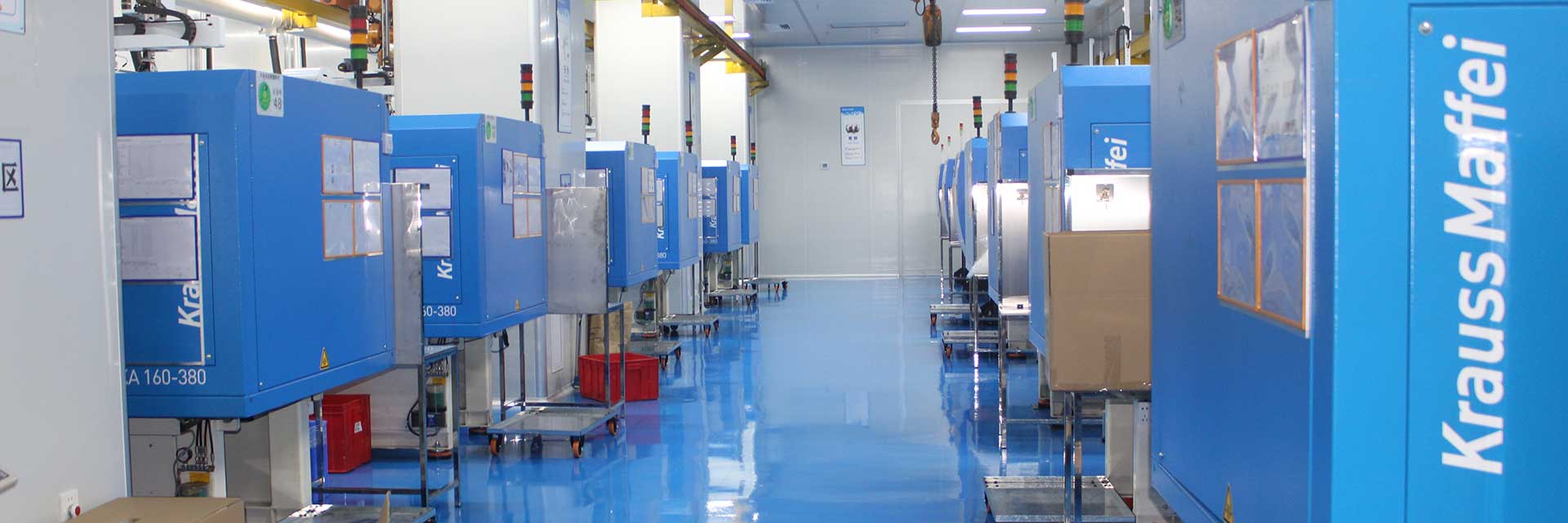
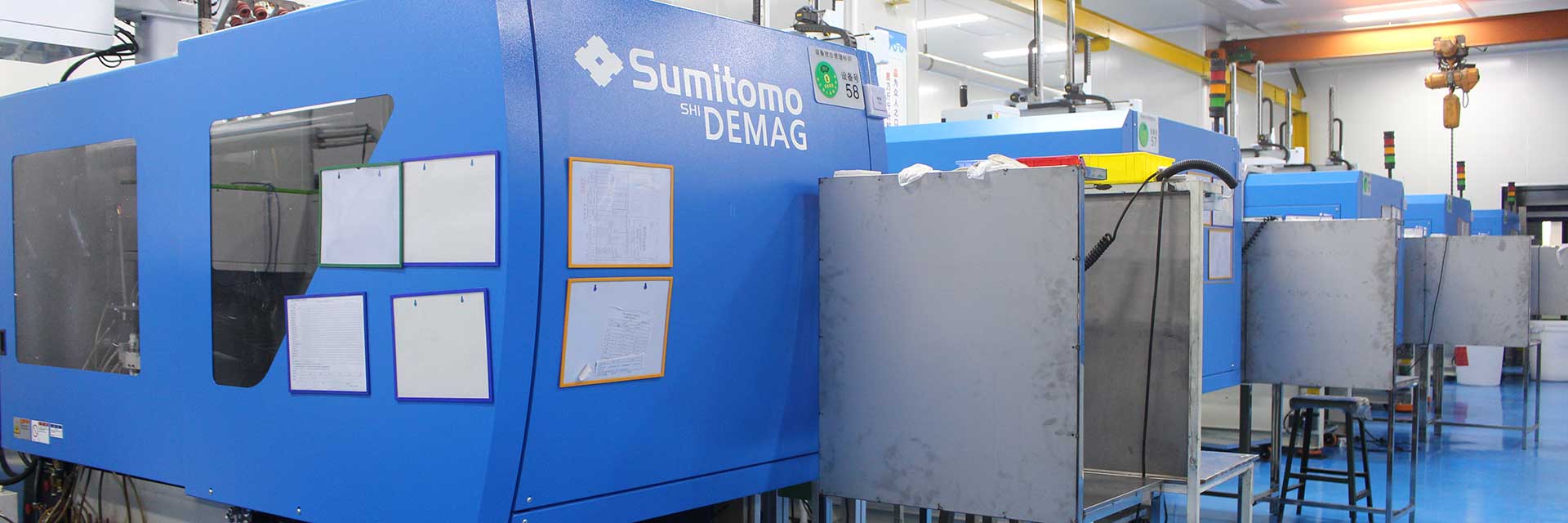
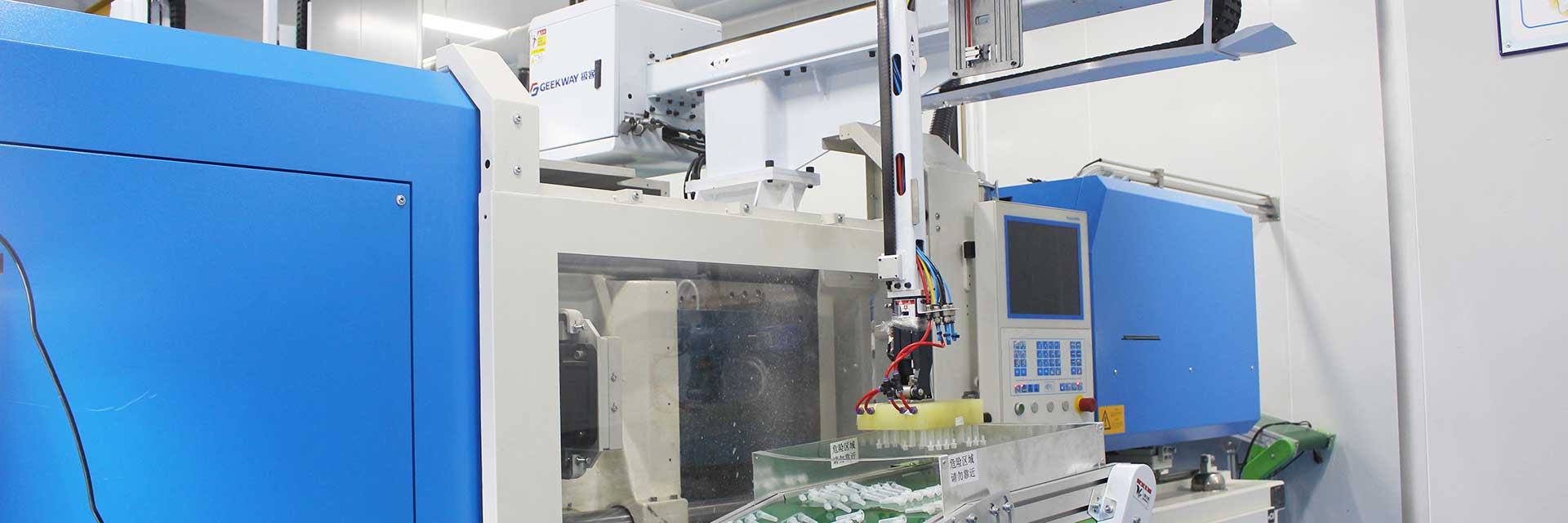
The performance matching and commissioning accuracy of the injection molding machine directly determine the plasticizing quality and mold-filling effect of the ABS melt. It is necessary to select and commission the equipment based on the characteristics of ABS materials and product requirements.
1. Injection Molding Machine Selection:
- It is advisable to prioritize standard injection molding machines. The screw length-to-diameter ratio should be no less than 20:1, and the compression ratio should be controlled between 1.8 and 2.5. The injection pressure should be greater than 1500 bar to meet the plasticizing requirements of ABS melt with moderate flowability.
- For products with high appearance requirements or when using color masterbatches, a screw with a smaller diameter can be selected to improve color mixing uniformity and plasticizing effect.
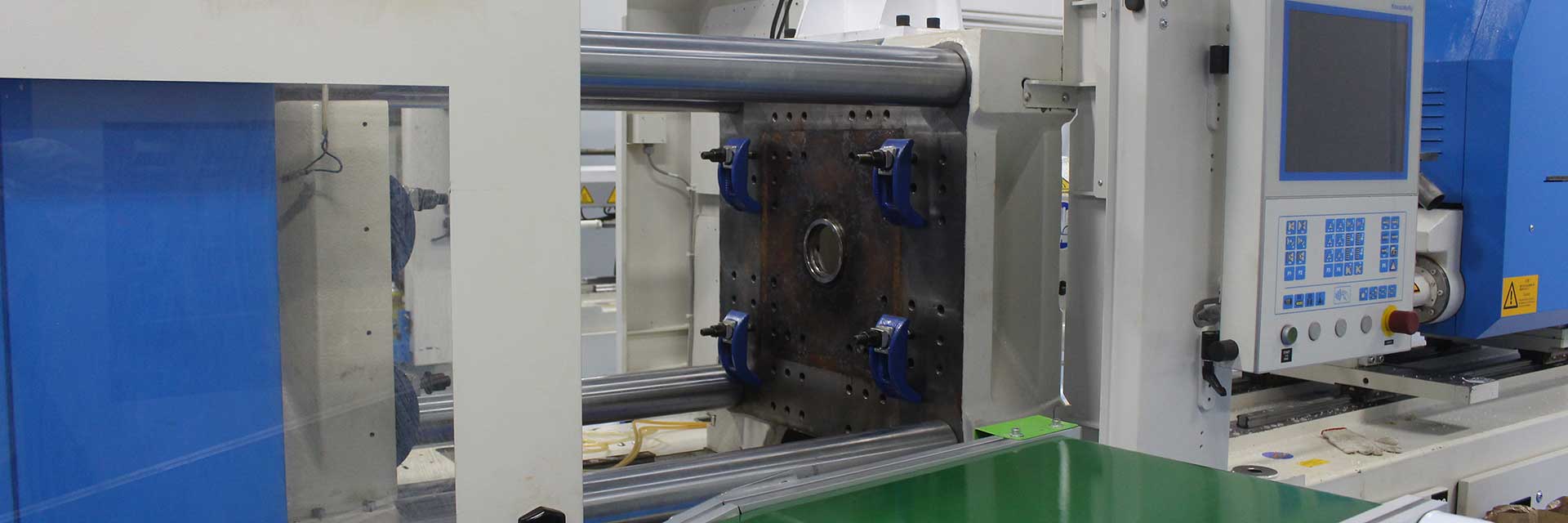
- The clamping force should be calculated based on the projected area of the product, typically determined according to 4700-6200 t/m² to prevent mold overflow during injection.
2. Equipment Commissioning Points:
- Before starting the machine, check whether the oil level, water level, and power connections are normal, and confirm that the safety door function and emergency stop button are operational.
- During the plasticizing stage, note that the residence time of the ABS melt in the barrel should not be too long. At 265°C, it should not exceed 5-6 minutes, and for flame-retardant ABS, the residence time should be even shorter to prevent material degradation and yellowing due to overheating.
- When shutting down the machine, first reduce the barrel temperature to 100°C, and then flush the barrel with PS or a dedicated cleaning material to prevent residual melt from decomposing and adhering to the screw.
III. Process Parameter Control: Precise Regulation for Core Optimization of Molding
The process parameters (temperature, pressure, speed, and time) of ABS injection molding are interrelated and need to be precisely matched according to the product structure, thickness, and performance requirements. The core is to balance the melt flowability and molding stability to reduce internal stress and defects.
1. Temperature Control:
- Adopt a segmented temperature control strategy to ensure uniform plasticization of the melt without degradation. Barrel temperature: feeding section 180-190°C, compression section 200-220°C, metering section 220-235°C. The nozzle temperature should be slightly lower than the end of the barrel by 10-15°C to prevent drooling.
- Different grades of ABS require slight temperature adjustments: impact-resistant grade 220-260°C (250°C is optimal), electroplated grade 250-275°C (270°C is optimal), flame-retardant grade 200-240°C (220-230°C is optimal).
- The mold temperature should be controlled between 25-70°C. For thin-walled parts, the upper limit should be selected to improve mold-filling effect, while for thick-walled parts, the lower limit should be selected to shorten the cooling time. The mold temperature difference should be controlled within 5°C to ensure uniform surface gloss of the product.
2. Pressure and Speed Control:
- The injection pressure is usually 50-100 MPa. For complex structures or thin-walled parts, it needs to be increased to 120 MPa to avoid short shots or obvious weld lines.
- The holding pressure is 30%-60% of the injection pressure, used to compensate for melt shrinkage and prevent sink marks and depressions.
- The back pressure is generally controlled at around 5 bar. For colored materials, the back pressure should be appropriately increased to ensure uniform color mixing. Low back pressure can easily cause air entrapment in the melt, leading to coking defects.
- The injection speed should be medium to high (30-80 mm/s). High speed can reduce melt residence time but should avoid shear heating. Thin-walled parts should be filled at high speed, while thick-walled parts should be slowed down to reduce internal stress. For products with high surface requirements, multi-stage injection control of the injection speed is recommended.
3. Time Parameter Control:
- The molding cycle should be adjusted according to the product thickness, with a total cycle of 20-60 seconds. The holding time accounts for 20%-30% of the total cycle. Excessive holding time can make demolding difficult, while insufficient holding time can result in sink marks.
- The cooling time is 10-30 seconds to ensure full solidification and molding of the product and avoid deformation after demolding. The cooling time can be further shortened by optimizing the cooling system to improve production efficiency.
IV. Mold Optimization: Matching ABS Characteristics to Improve Molding Quality
The mold is the “skeleton” for shaping ABS products, and its structural design, precision, and surface quality directly affect the appearance, dimensional accuracy, and smooth demolding of the products. Optimization should be carried out based on the flowability and shrinkage characteristics of ABS.
1. Key Structural Design:
- The runner diameter is recommended to be 6-8 mm, the gate width about 3 mm, the thickness the same as the product, and the length less than 1 mm. Pin gates or submarine gates are preferred to reduce the impact of gate marks on the appearance.
- The venting system should be unobstructed, with vent holes 4-6 mm wide and 0.025-0.05 mm thick to prevent air entrapment in the melt during filling, which can cause bubbles and weld lines.
- The cooling system should uniformly cover the cavity. For high-precision products, conformal cooling channels can be designed to fit the product contour and achieve uniform cooling, preventing shrinkage deformation due to uneven cooling.
2. Mold Material and Maintenance:
- For mass production of ordinary ABS products, pre-hardened steels such as P20 and 718H can be selected. For high-gloss or corrosive ABS materials, corrosion-resistant mold steels such as S136 and H13 should be selected and heat-treated to improve polishing performance and ensure surface gloss of the products.
- Regularly clean residual melt from the cavity, check for blockages in the cooling water channels, and inspect and lubricate guide posts and guide bushings for wear to extend the mold’s service life.
V. Quality Control: Full-process Control to Reduce Defective Products
A full-process quality control system should be established for ABS injection molding processing, from first-article inspection to batch production sampling inspection, to promptly identify and resolve defect issues and ensure product consistency.
1. First-Article Inspection:
The first article is the “benchmark” for batch production. Focus on inspecting the appearance (no bubbles, sink marks, weld lines, etc.), dimensions (key dimension tolerance ±0.1 mm, wall thickness tolerance ±0.05 mm), weight, and function. Only after passing the inspection can batch production proceed.
2. In-process Sampling Inspection:
During production, samples should be taken every hour for inspection, and data on dimension measurement and appearance inspection should be recorded and traceable. Common defects and solutions:
- Silver streak defects: Confirm that the raw material is fully dried and optimize mold venting.
- Sink marks/depressions: Can be solved by increasing the material temperature, extending the holding time, or increasing the holding pressure.
- Warping deformation: Adjust the mold temperature, optimize the gate position, or increase the product wall thickness and reinforcing ribs.
- Flash/burrs: Check the mold sealing surface, reduce the injection pressure, and increase the clamping force.
3. Finished Product Post-treatment:
Ordinary ABS products do not require post-treatment. Electroplated-grade products need to be baked at 70-80°C for 2-4 hours to passivate surface marks. Moreover, no mold release agent should be used during the production of electroplated-grade products, and they should be packaged immediately after removal to prevent surface contamination.
VI. Safety Regulations: Ensuring Production Safety and Improving Operational Norms
ABS injection molding processing involves high-temperature and high-pressure equipment, and strict safety regulations must be followed to avoid safety accidents and quality hazards. Operators should wear safety gloves and goggles, and wear heat-resistant gloves when working in high-temperature areas. Familiarize yourself with the location and use of fire extinguishers and keep fire exits clear. Never place items in the mold clamping area when the equipment is running, and do not touch moving parts. Before equipment maintenance, the power must be cut off, and do not operate electrical switches with wet hands. Establish a daily maintenance log for the equipment, regularly inspect the oil, electrical system, and fasteners to ensure normal equipment operation.
Summary
The core of ABS injection molding processing lies in “precise matching and full-process control.” From source control in raw material pre-treatment to collaborative optimization of equipment, processes, and molds, and then to full-process quality control and safety regulation implementation, every link is indispensable. Only by fully understanding the characteristics of ABS materials and precisely regulating various parameters according to product requirements can stable and efficient production be achieved, resulting in high-quality ABS products. It is hoped that the core points outlined in this article can provide practical technical references for industry practitioners and help improve production efficiency and product competitiveness.