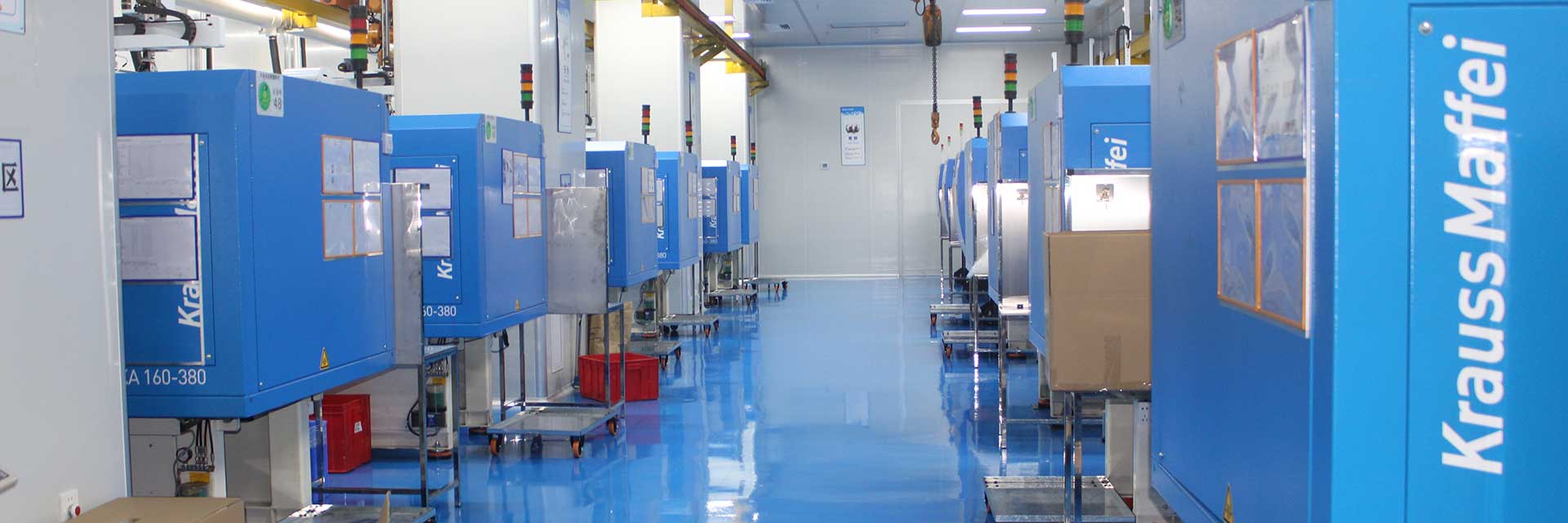
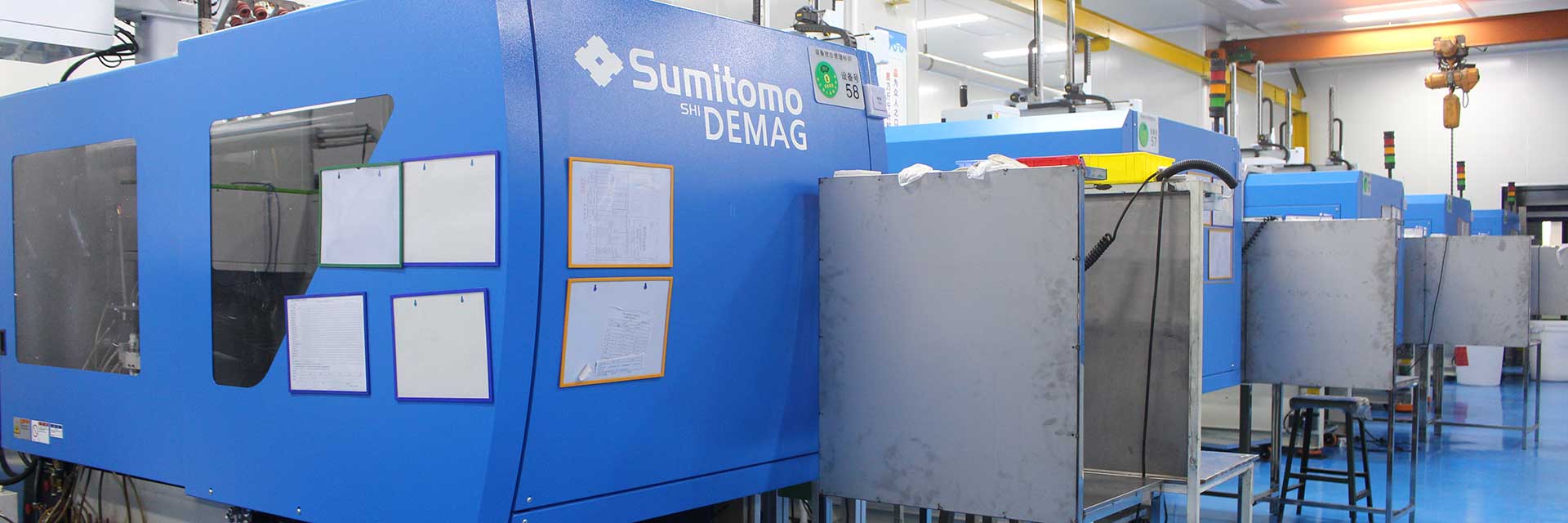
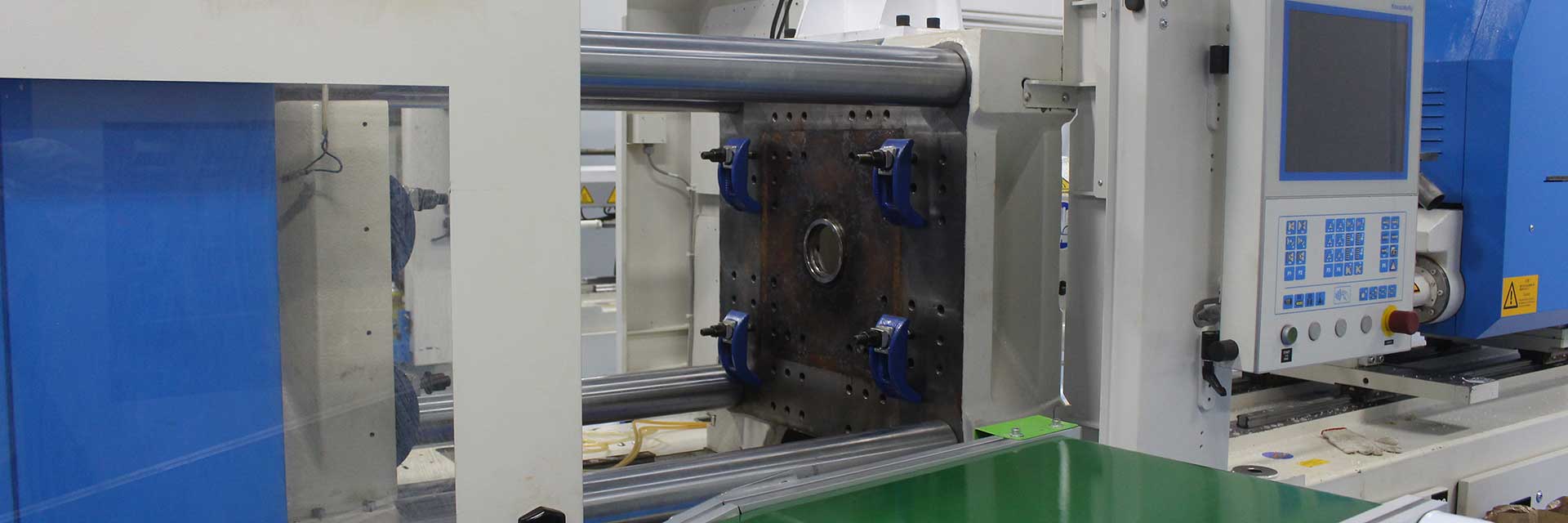
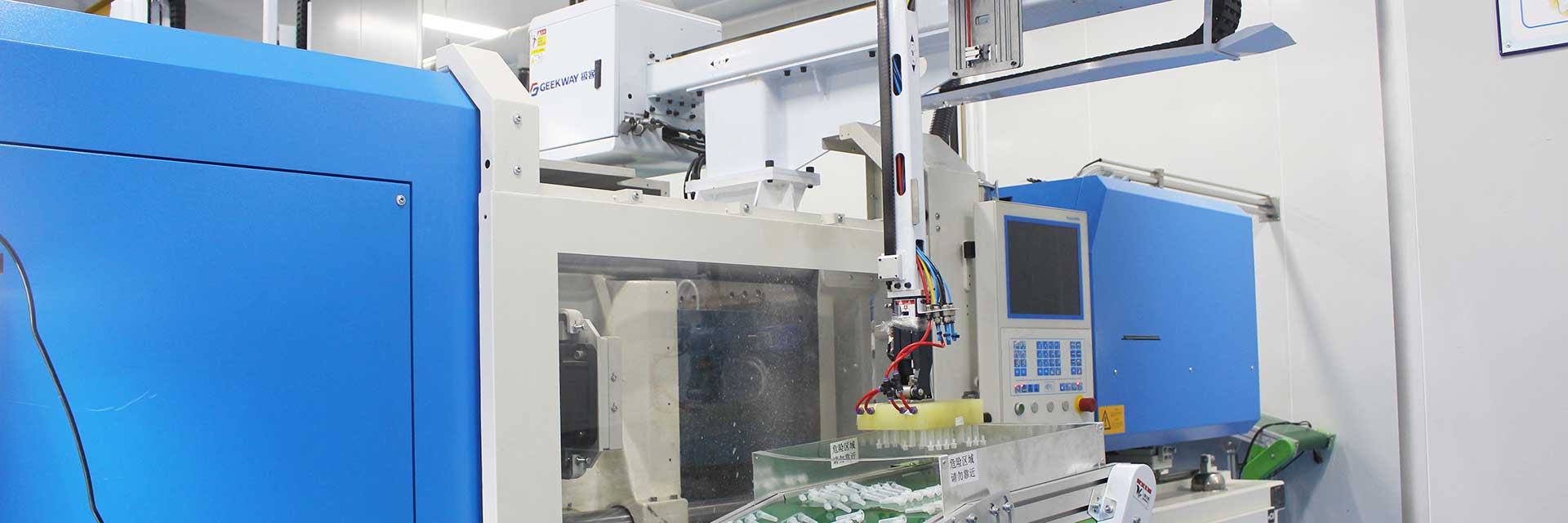
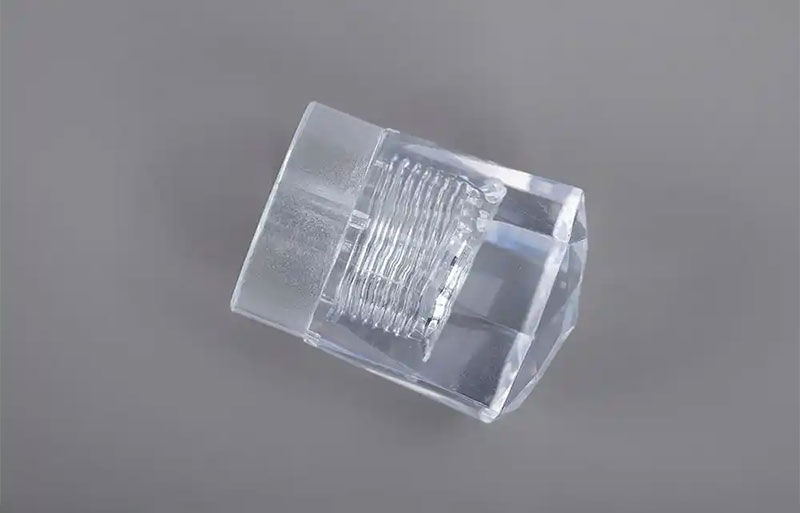
Transparent products are widely used in fields such as electronics, healthcare, packaging, and daily necessities. Their injection molding process demands extremely high precision in craftsmanship, material selection, and mold quality. Compared to ordinary injection molded products, transparent products not only need to meet basic dimensional accuracy but also ensure excellent light transmittance, surface smoothness, and freedom from internal stress, making the entire processing process challenging.
Material selection: laying a transparent foundation
The injection molding process for transparent products primarily relies on suitable materials. Common transparent plastic materials include polymethylmethacrylate (PMMA, commonly known as plexiglass), polycarbonate (PC), polystyrene (PS), and polyvinyl chloride (PVC), each with its unique properties and application scenarios.
PMMA boasts a light transmittance of up to 92%, high mechanical strength, and ease of processing, yet it exhibits poor impact resistance. It is ideal for making lenses, instrument covers, and other products with stringent light transmittance requirements. PC material, with a light transmittance of approximately 89%, possesses excellent impact resistance and heat resistance, and is widely used in components that require both transparency and strength, such as mobile phone casings and car lamp covers. PS exhibits good light transmittance and low cost, but it is relatively brittle and is mostly used for disposable transparent packaging products. When selecting materials, it is necessary to comprehensively consider the product’s usage environment, mechanical performance requirements, and cost budget, while ensuring material purity to avoid affecting transparency due to impurities.
Mold design: determining surface and precision
Molds are the core equipment for injection molding of transparent products, and their design and manufacturing directly affect the final quality of the products. To ensure the surface finish of transparent products, the mold cavity must undergo high-precision polishing, typically reaching a mirror-like level (such as Ra≤0.02μm), to avoid defects on the product surface caused by scratches, pits, or impurities on the mold surface.
The design of the cooling system for molds is particularly crucial. Uneven cooling can lead to inconsistent shrinkage of the product, generating internal stress, which in turn can cause deformation or optical distortion. Therefore, the cooling water channels should be evenly distributed around the mold cavity to ensure rapid and uniform cooling and solidification of the melt. Additionally, the exhaust system of the mold needs to be efficient to prevent the formation of bubbles or scorch marks due to gas entrapment – transparent products are extremely sensitive to bubbles, and even small bubbles can seriously affect light transmittance. The design of the sprue and runner should avoid turbulence or excessive shear of the melt, typically using larger sprue sizes and streamlined runners to reduce melt flow resistance and prevent material degradation.
Process parameters: control the molding details
The setting of process parameters for transparent product injection molding requires precise control, as any slight deviation may lead to defects.
Injection molding temperature is one of the key parameters. The melting temperature range of different materials varies significantly. For example, the processing temperature for PMMA is usually between 180-230℃, while PC requires 260-300℃. Too high a temperature can cause the material to decompose, resulting in black spots or bubbles; too low a temperature can lead to insufficient melt flowability, which is prone to material shortages or surface streaks. Therefore, it is necessary to control the barrel temperature in stages according to the material characteristics to ensure uniform melting of the melt.
Injection pressure and speed need to be adjusted synergistically. Sufficient injection pressure can ensure that the melt fully fills the mold cavity, but excessive pressure can increase internal stress in the product, leading to cracking or uneven light transmission in the later stages. The injection speed should be kept steady to avoid turbulence caused by excessively fast speed, which can entrap air and form bubbles; if the speed is too slow, the melt may cool excessively during the filling process, resulting in material shortage. The pressure and time during the holding pressure stage also need to be precisely controlled to compensate for the contraction of the melt after cooling and reduce surface sink marks.
The mold temperature has a significant impact on the quality of transparent products. Increasing the mold temperature appropriately can slow down the cooling rate of the melt, reduce internal stress, and enhance the surface finish of the product. For instance, when processing PC products, the mold temperature is typically maintained between 80-120℃, whereas for PMMA, a mold temperature range of 60-90℃ is suitable.
Common problems and solutions
Common defects in the injection molding process of transparent products include bubbles, scratches, hazy surface, and internal stress cracking, each of which is closely related to the process or mold.
Bubbles are one of the most common issues, often caused by the introduction of air into the melt, moisture in the material, or poor mold venting. Solutions include thorough pre-drying of the material (especially for hygroscopic materials such as PC and PA), optimizing the mold venting structure (by providing vent slots at the final filling point of the melt), and reducing the injection speed to minimize air entrainment.
Surface scratches or haze are typically caused by inadequate mold surface finish, improper use of mold release agents, or impurities in the melt. It is necessary to regularly perform mirror polishing on the mold, avoid using mold release agents containing impurities, and enhance raw material filtration to prevent foreign objects from entering the mold cavity.
Internal stress cracking occurs due to uneven cooling or improper holding pressure, leading to stress concentration within the product. By adjusting the mold temperature to achieve uniform cooling, extending the holding time, or performing post-annealing treatment (such as placing the product at a certain temperature for a certain period of time), internal stress can be effectively eliminated.
Post-processing: Enhancing quality stability
After injection molding of transparent products, post-processing is often required to further enhance their quality. Annealing is a crucial step to eliminate internal stress, especially for materials such as PC and PMMA. By controlling the heating temperature and holding time, the internal stress of the product can be slowly released, reducing the risk of cracking during use.
In addition, surface treatments such as coating and polishing can enhance the wear resistance and scratch resistance of products, or impart special optical properties, thereby expanding their range of applications.
Conclusion
The injection molding process for transparent products is a perfect combination of materials, molds, and processes, with each link requiring meticulous control. From the rigorous selection of materials to the high-precision manufacturing of molds, from the optimization and adjustment of process parameters to the meticulous operation of post-processing, any negligence may affect the transparency and performance of the product. With the continuous growth of market demand for transparent products, enterprises need to continuously improve their technological level, introduce intelligent injection molding equipment and online quality inspection systems, in order to achieve efficient and stable production of transparent products and meet increasingly stringent application requirements.