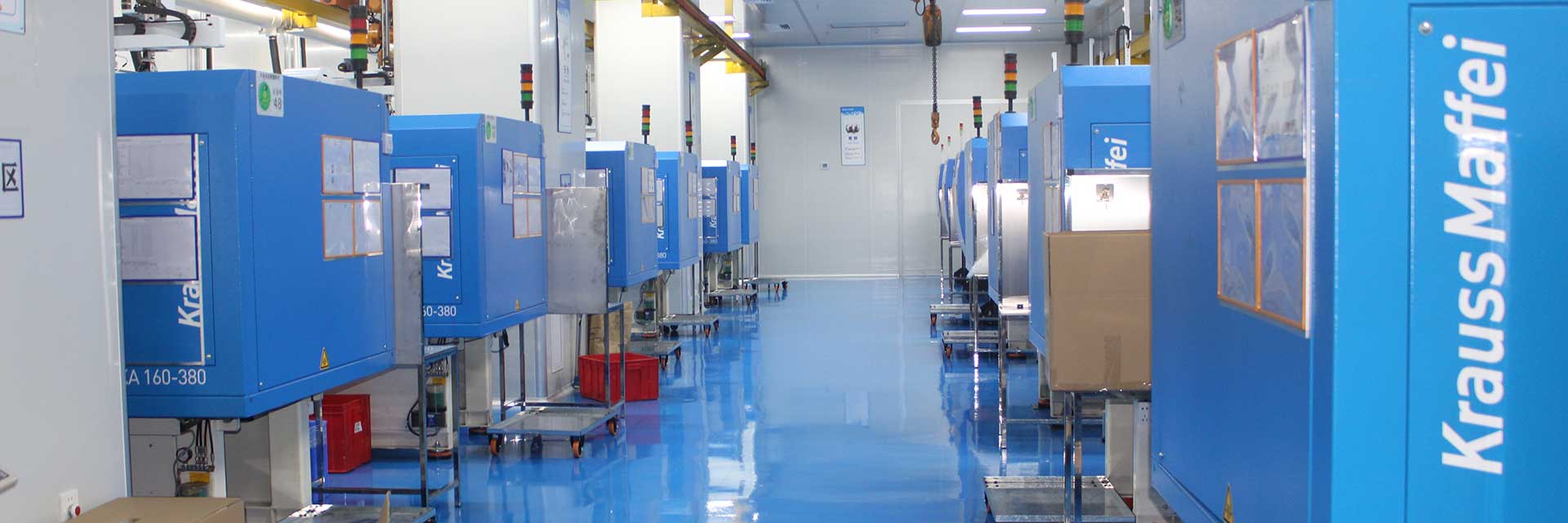
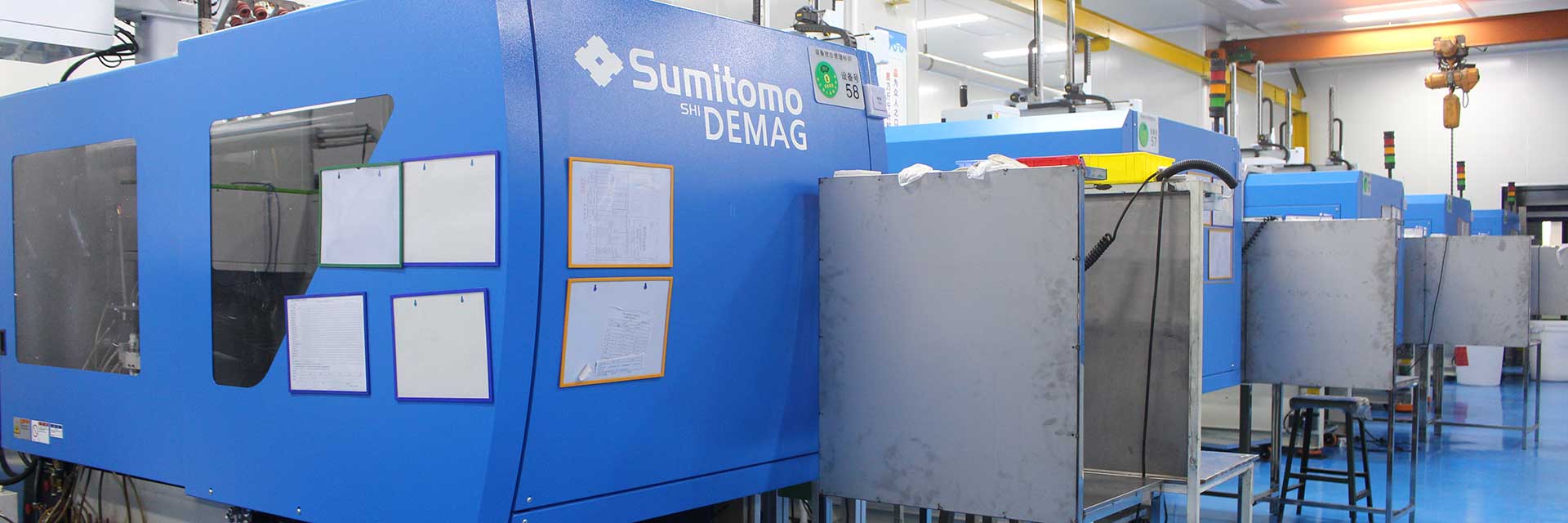
Injection molding is a core process in the field of plastic molding, widely used in industries such as electronics, automotive, medical, and home furnishings due to its advantages of high efficiency, high precision, and mass production. The core technical process revolves around “raw materials mold equipment molding post-processing”, with each link being interrelated and directly determining the quality, accuracy, and production efficiency of the final product.
1、 Raw material preparation: laying the foundation for molding
Raw material preparation is the first step in injection molding, ensuring that the plastic raw materials meet the performance and molding requirements of the product, and avoiding subsequent defects caused by raw material problems.
Raw material selection: Based on the usage scenario of the product (such as high temperature resistance, impact resistance, food grade), select the corresponding thermoplastic resin (such as PP, ABS, PC), and add additives (toughening agents, flame retardants, masterbatch, etc.) as needed to ensure the performance and appearance of the product.
Drying treatment: Most plastic raw materials (such as PA and PC) have strong moisture absorption and need to be dried with a dryer (hot air drying, dehumidification drying) to remove moisture (usually controlled at 0.02% -0.1% moisture content), to prevent defects such as bubbles and silver wires after molding.
Pre mixing and color matching: Mix resin with additives and masterbatch in proportion, and achieve uniform dispersion through a high-speed mixer to ensure consistent color and stable performance of the product, avoiding quality problems caused by insufficient local additives.
2、 Mold design and manufacturing: determine the shape of products
Mold is the “core tool” of injection molding processing, and its structure and accuracy directly affect the size, appearance, and molding efficiency of the product. Customized design and processing are required according to the product requirements.
Mold cavity design: Design the mold cavity (single cavity or multiple cavities) based on the 3D model of the product, and reserve a reasonable plastic shrinkage rate (different resins have different shrinkage rates, such as PP about 1.5% -2.5%) to avoid dimensional deviation after cooling of the product.
Pouring system design: Design main channels, diversion channels, and gates to ensure uniform and rapid filling of the mold cavity with molten material, reducing pressure loss. For example, thin-walled products need to use large gates to prevent premature cooling of the melt; Products with high appearance requirements need to have hidden gates (such as point gates and hidden gates).
Cooling and exhaust system design: The cooling system (such as the cooling water circuit around the mold cavity) should be evenly distributed, the cooling speed should be controlled, and deformation and shrinkage marks of the product should be prevented; The exhaust system (such as the exhaust groove on the parting surface) needs to discharge the air and volatile substances inside the mold cavity to avoid material shortage and bubbles in the product.
Mold processing and trial molding: High precision machining of molds (usually with an accuracy of ± 0.01mm) is achieved through CNC machining centers, EDM (electrical discharge machining) and other equipment. After the machining is completed, trial molding is required to adjust parameters and correct mold defects (such as burrs and missing materials).
3、 Injection molding machine debugging: optimizing molding parameters
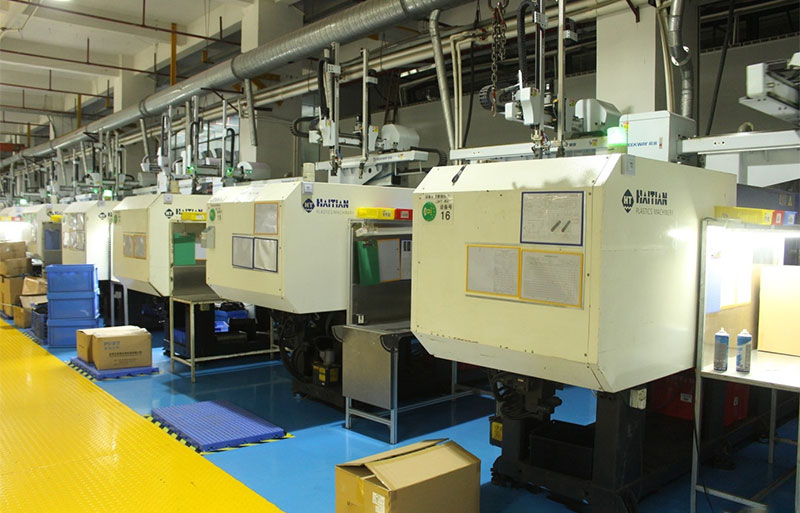
Injection molding machine is a device that realizes the conversion of “melt cavity product”. It is necessary to adjust key molding parameters according to the characteristics of raw materials and mold parameters to ensure the stability of the molding process.
Injection parameter debugging: including injection speed, injection pressure, and injection time. Excessive injection speed can easily lead to flash and burning; Being too slow can easily lead to material shortages; The injection pressure should be sufficient to push the molten material to fill the mold cavity while avoiding mold damage.
Pressure holding parameter debugging: The pressure holding pressure and holding time need to match the shrinkage rate of the product. When the melt cools and shrinks, the melt should be replenished to prevent shrinkage marks and dents in the product. The usual holding pressure is 50% -80% of the injection pressure, and the holding time is adjusted according to the thickness of the product (thicker walled products require longer holding time).
Temperature parameter debugging: divided into barrel temperature, nozzle temperature, and mold temperature. The temperature of the barrel needs to be set in a “three-stage” manner (feeding section<melting section<homogenization section) to ensure that the resin is fully melted and does not decompose; The mold temperature needs to match the characteristics of the resin (such as PC requiring high mold temperature to prevent stress cracking).
4、 Injection molding: the core production process
After completing the preliminary preparation, enter the batch molding stage, which requires strict adherence to the debugged parameters to ensure consistent quality of each product.
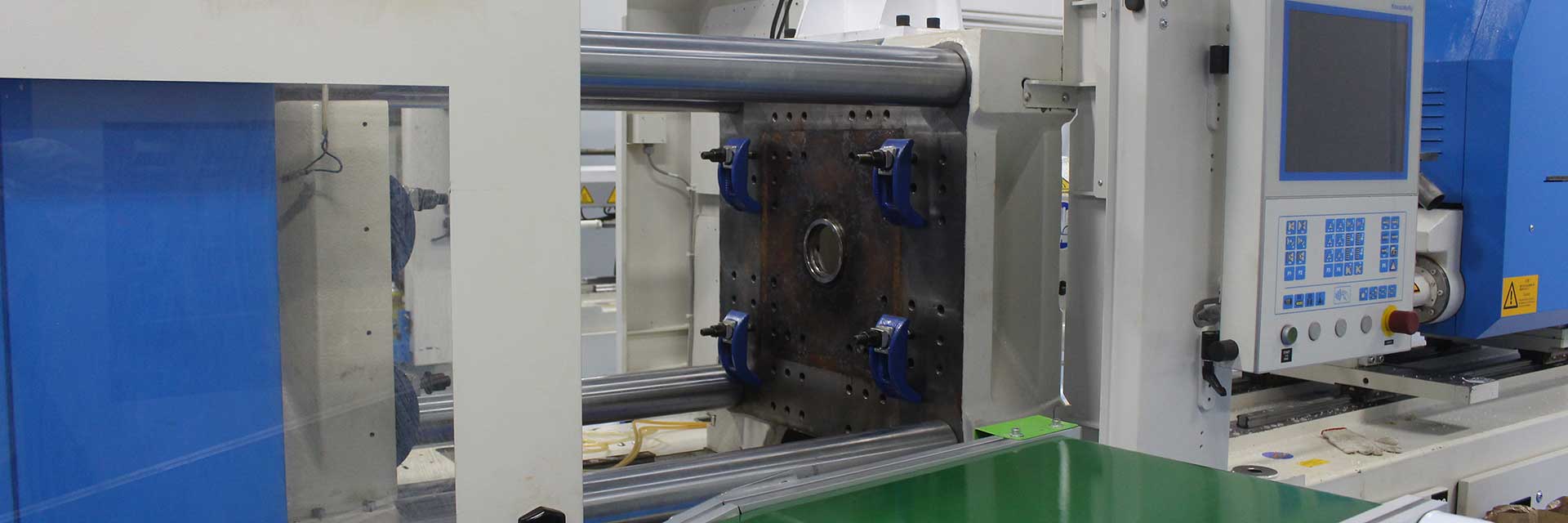
Mold closing and locking: The injection molding machine closes the mold and the fixed mold, and the locking mechanism applies sufficient locking force (greater than the injection pressure to prevent overflow) to ensure the mold is sealed.
Melt injection: The screw inside the barrel rotates to melt and compact the raw materials, and then the screw advances forward to inject the melt into the mold cavity through the nozzle and pouring system until the cavity is filled.
Pressure retention and shrinkage compensation: After the molten material fills the mold cavity, the screw maintains a certain pressure and continuously replenishes the molten material to compensate for the volume shrinkage during the plastic cooling process.
Cooling and shaping: After the pressure holding is completed, the mold cooling system works to gradually solidify and shape the molten material in the mold cavity. The cooling time needs to be controlled (too short can cause product deformation, and too long can affect production efficiency).
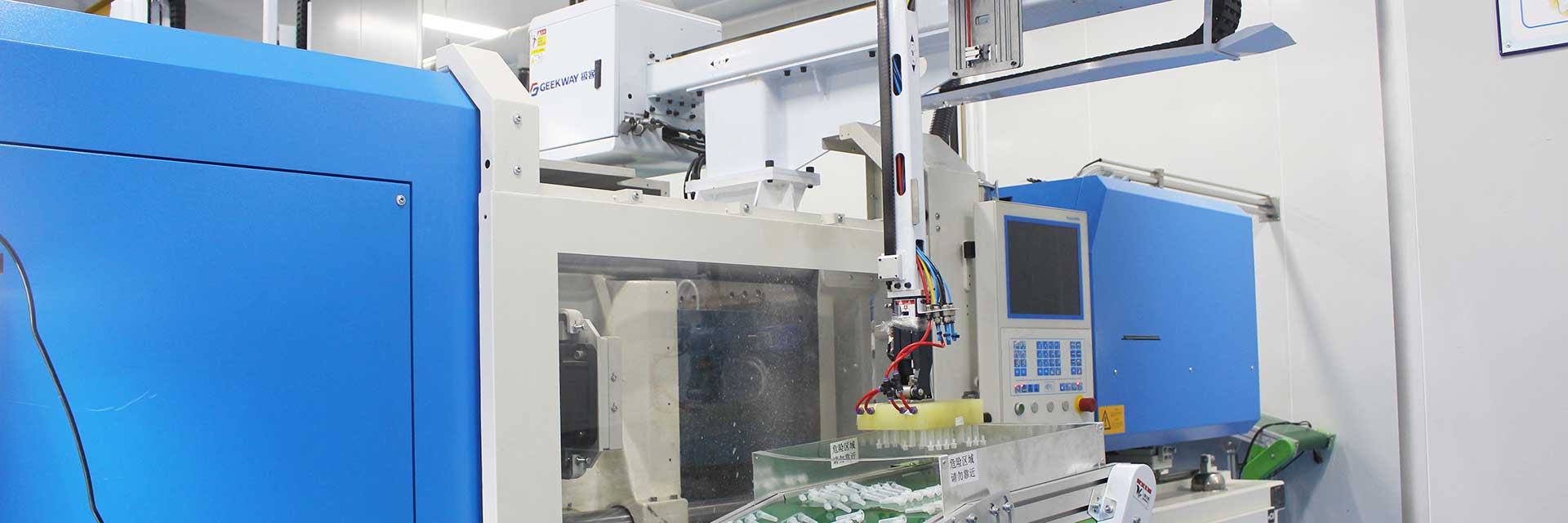
Mold opening and ejection: After cooling is completed, the mold is opened and the ejection mechanism (such as ejector pin and top plate) ejects the molded product from the mold cavity, completing one molding cycle.
5、 Post molding processing: improving product quality
The molded products need to be processed to remove defects, inspect quality, and ensure compliance with delivery standards.
Deburring and flash removal: By manually trimming and mechanically polishing (such as ultrasonic deburring machine), the flash and gate residue on the edges of the product are removed, improving the appearance and safety of use.
Quality inspection: including appearance inspection (checking for bubbles, shrinkage marks, scratches), size inspection (measuring key dimensions through calipers and projectors), performance inspection (such as tensile strength, impact strength, for functional products), screening qualified products, and removing defective products.
Post processing (optional): Surface treatment (such as oil spraying, screen printing, electroplating to enhance appearance) or assembly (such as splicing, welding to form the final product) according to requirements.
Summary
The core technology process of injection molding is a “precision collaborative” system, where small deviations in each link from raw material preparation to post-processing may affect product quality. With the development of technology, injection molding is now upgrading towards intelligence (such as automatic parameter adjustment of PLC control systems) and greenness (such as recycling of recycled materials and energy-saving equipment), further improving production efficiency and product competitiveness.