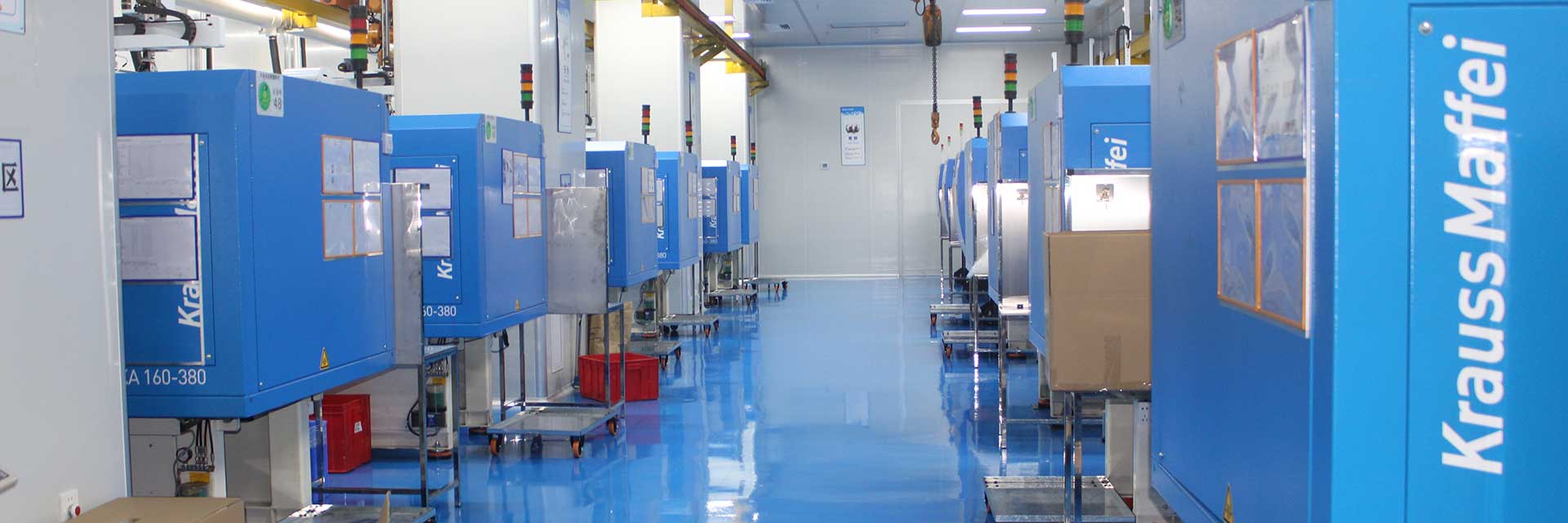
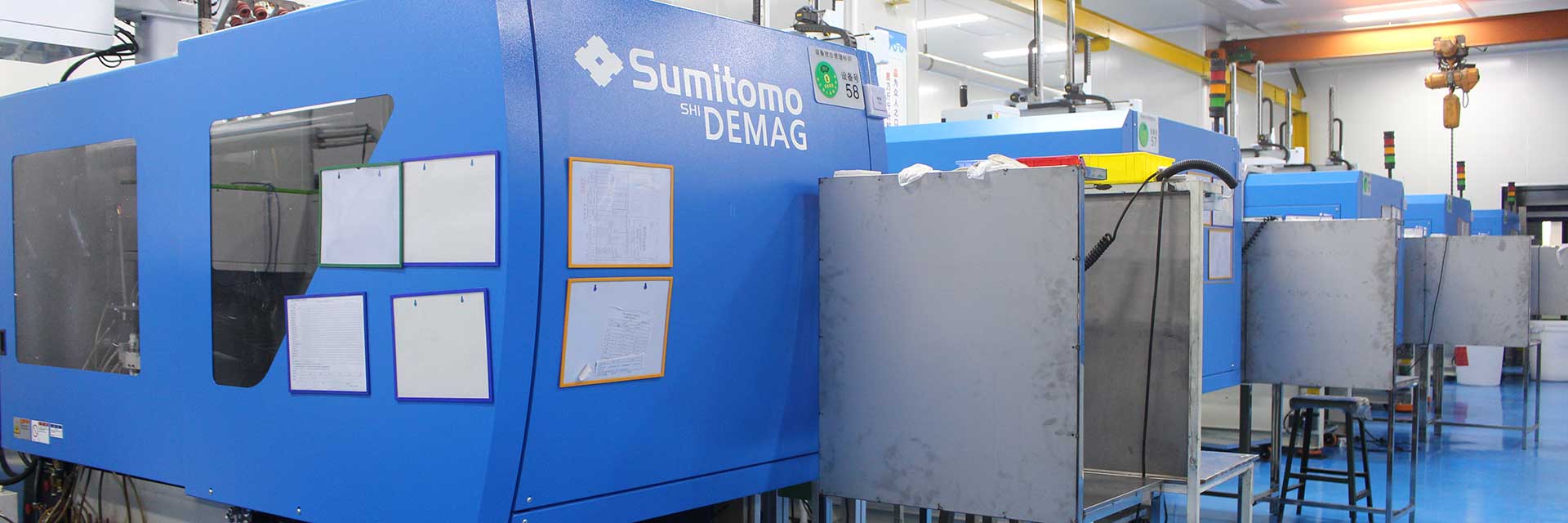
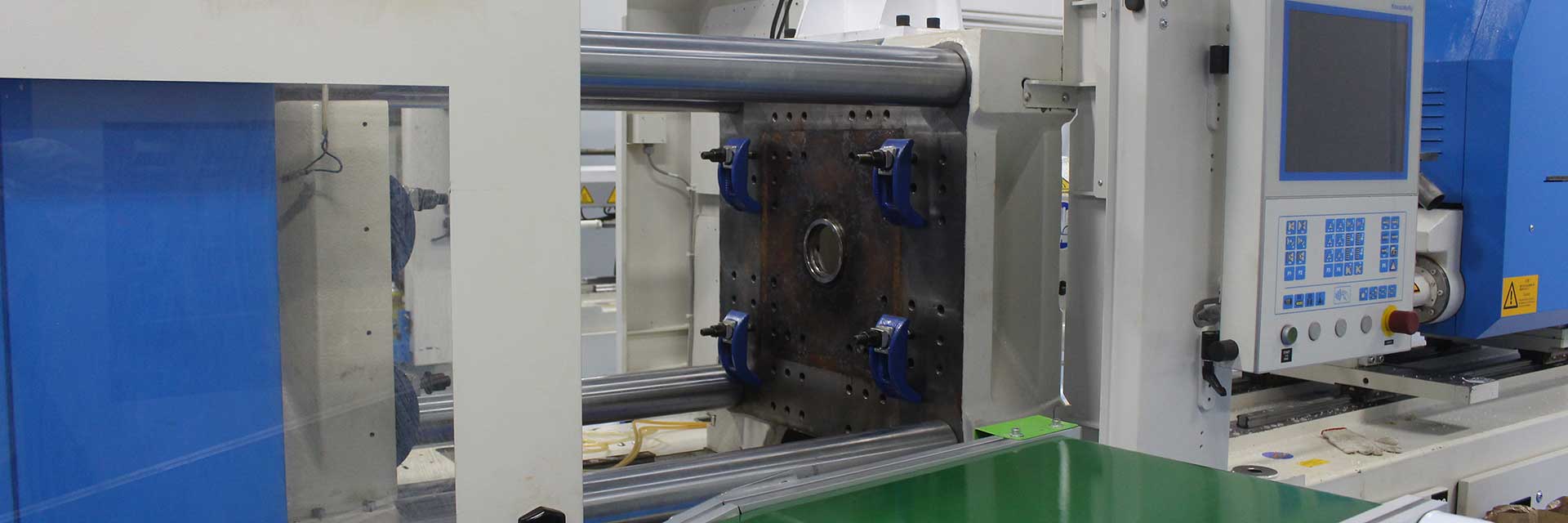
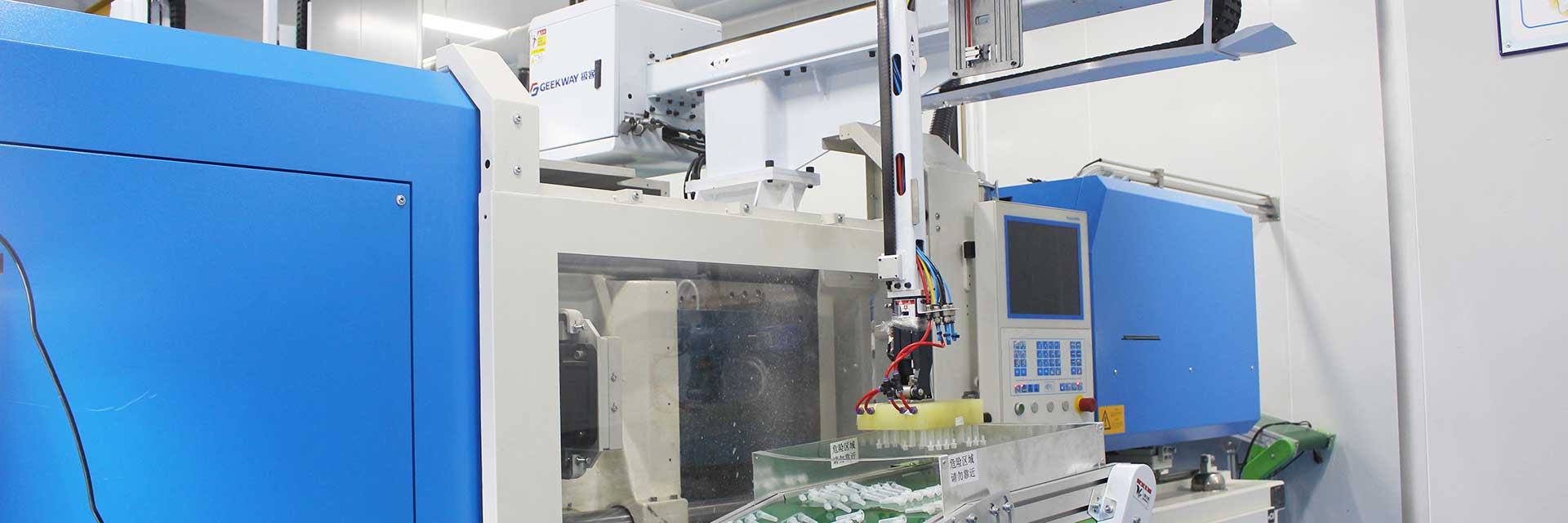
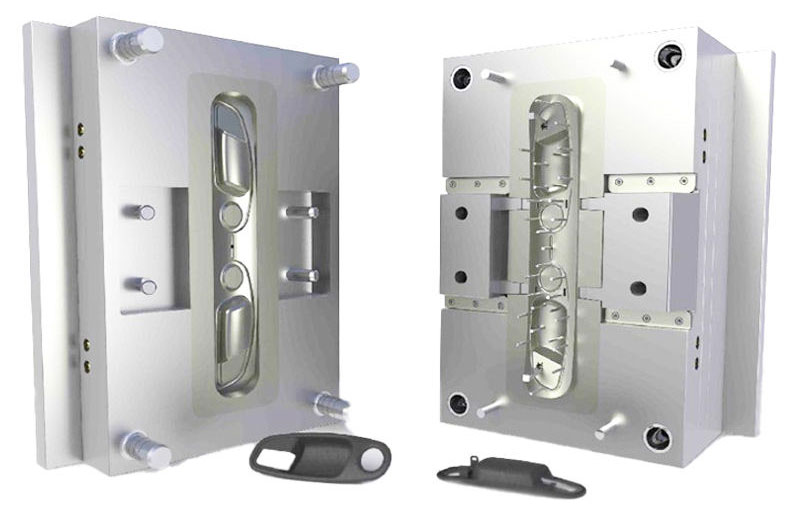
From the smart bracelets that wake us up in the morning to the instrument panels in our cars during the commute, and from the keyboards and water cups in our offices, the products of injection molding processing have long permeated every corner of our daily lives and industrial sectors. As the most versatile plastic molding process in modern manufacturing, injection molding processing plays an irreplaceable role in dozens of industries, including electronics, automotive, medical, and daily necessities, thanks to its advantages of “efficient mass production, precision molding, and material flexibility.” It can not only transform ordinary plastic pellets into components of various shapes but also meet the special requirements of different fields through process innovation. This article will systematically review the core application areas of injection molding processing, demonstrating how this process supports the operation of the global industrial chain.
I. Electronics and Electrical Appliances Industry
The electronics and electrical appliances industry is one of the primary application scenarios for injection molding processing. From consumer electronics to industrial equipment, almost all products rely on injection-molded parts for structural support, insulation protection, and functional integration. The core requirements for injection molding processing in this field are “high precision, miniaturization, and temperature resistance.”
1. Consumer Electronics
Smartphones and Computers: Parts such as phone frames (ABS + glass fiber reinforcement, with a tolerance of ±0.03mm), screen brackets (PC, with a light transmittance of ≥90%), and keyboard keycaps (POM, with a wear resistance of ≥10 million cycles) are all formed through precision injection molding. For example, the micro connectors in phone charging ports, with a pin spacing of only 0.5mm, require high-precision molds (with a machining accuracy of ±0.005mm) and high-pressure, low-speed injection molding processes (pressure of 150-180MPa, speed of 30-50mm/s) to ensure stable contact.
Smart Home Devices: The casings of smart speakers (PP + rubber paint, with a delicate touch), the gearboxes of robotic vacuums (PA66 + glass fiber, with an impact strength of ≥80kJ/m²), and the watch cases of smartwatches (ceramic powder injection molding, with a hardness of ≥HRC85) achieve “structural + aesthetic + performance” integration through injection molding processing.
2. Industrial Electronics
Communication Equipment: The signal filter housings of 5G base stations (LCP liquid crystal polymer, with a dielectric loss of ≤0.002) and the heat dissipation grilles of routers (PC + flame retardant, with a UL94 V0 fire rating) need to withstand extreme temperatures ranging from -40°C to 85°C. Injection molding processing ensures that the parts do not deform or fail in harsh environments by selecting special materials and optimizing the cooling process (conformal cooling channels).
Industrial Control Equipment: The casings of PLC controllers (ABS, impact-resistant and insulating) and the protective covers of sensors (transparent PC, with a light transmittance of ≥92%) rely on the dimensional stability of injection molding processing (weight deviation of ≤1%) to ensure the long-term reliability of the equipment.
II. Automotive Industry
As the automotive industry shifts towards lightweight and electrification, the proportion of injection molding processing applications continues to increase. A traditional gasoline-powered vehicle contains 2,000-3,000 injection-molded parts, while the number increases to over 4,000 in new energy vehicles due to the demands of battery and electric control systems. The requirements for injection molding processing in this field focus on “high strength, aging resistance, and environmental friendliness.”
1. Body and Interior
Interior Parts: Instrument panels (ABS + PVC skin, with a soft touch and UV resistance), door interior panels (PP + wood flour, with a wood grain appearance), and seat adjustment knobs (POM, wear-resistant and with a low friction coefficient) achieve complex shapes and textures through injection molding processing, enhancing the driving experience. For example, the one-piece molded airbag cover on the instrument panel needs to rupture precisely upon collision. During injection molding, strict control over wall thickness (2.5±0.1mm) and material toughness (impact strength of ≥25kJ/m²) is required.
Exterior Parts: Bumpers (PP + EPDM, impact-resistant and weather-resistant), rearview mirror housings (ABS + electroplating, decorative and scratch-resistant), and window trim strips (PC + ABS, high-gloss and aging-resistant) are processed through injection molding with the addition of antioxidants and UV absorbers to ensure that the parts do not crack or discolor after more than 5 years of outdoor use.
2. Powertrain and Chassis
Fuel/New Energy Systems: The fuel tank caps of traditional gasoline-powered vehicles (HDPE, oil-resistant and sealed) and the battery housings of new energy vehicles (PP + glass fiber, flame-retardant and insulating) need to withstand high pressure (the battery housing needs to withstand a pressure of 1.2MPa) and chemical corrosion. Injection molding processing meets safety standards by optimizing mold venting (to avoid bubbles that reduce strength) and packing parameters (to compensate for shrinkage and ensure sealing).
Chassis and Transmission: The plastic bushings of suspension systems (PA66 + glass fiber, wear-resistant and shock-absorbing) and the gears of transmission systems (POM, with a transmission accuracy of ±0.02mm) replace some metal parts through injection molding processing with material modification (adding graphite powder to reduce friction) and precision molding, achieving vehicle weight reduction (for every 100kg reduction in weight, fuel consumption decreases by 0.3-0.5L per 100km).
III. Medical and Healthcare Industry
The medical and healthcare industry has the most stringent requirements for injection molding processing, involving “sterilization, biocompatibility, and traceability.” The quality of every part is directly related to patient safety. Injection molding processing meets the special requirements of the medical field through dedicated equipment, materials, and processes.
1. Disposable Medical Consumables
Injection Consumables: Syringe barrels (medical-grade PP, highly transparent and non-toxic) and infusion set catheters (PVC or TPE, soft and aging-resistant) need to be produced in a 100,000-grade clean room through fully automatic injection molding lines (to avoid contamination from human contact). The molds need to be regularly disinfected (sterilized at 120°C), and the finished products need to be sterilized with ethylene oxide (residual amount of ≤10μg/g).
Testing Consumables: The sampling tubes of COVID-19 test kits (PC, with a light transmittance of ≥90%) and centrifuge tubes (PP, temperature-resistant up to 121°C) need to meet dimensional accuracy (inner diameter deviation of the sampling tube of ≤0.1mm) and chemical stability (no reaction with reagents). Injection molding processing ensures accurate test results by selecting medical-certified materials (compliant with FDA and CE standards) and precision molds.
2. Medical Equipment and Instruments
Diagnostic Equipment: The probe housings of B-ultrasound machines (ABS, impact-resistant and insulating) and the test strip slots of blood glucose meters (PC, with a dimensional accuracy of ±0.01mm) need to precisely fit with the internal components of the equipment. Injection molding processing ensures assembly accuracy through three-dimensional measurement (100% detection rate for key dimensions).
Surgical Instruments: The plastic handles of laparoscopes (PC + glass fiber, disinfection-resistant and non-slip) and the housings of dental tools (PPSU, temperature-resistant up to 134°C for sterilization) need to withstand repeated high-temperature sterilization (≥1,000 times). Injection molding processing ensures long-term durability of the instruments by selecting high-temperature-resistant materials and optimizing mold cooling (to avoid cracking due to internal stress).
IV. Daily Necessities and Packaging Industry
The daily necessities and packaging industry is the most lifestyle-oriented application area for injection molding processing, with core requirements of “low cost, high efficiency, and diversification.” It meets the daily needs of billions of people worldwide through mass production.
1. Daily Consumer Goods
Household Items: Plastic tableware (PP, temperature-resistant up to 120°C and easy to clean), storage boxes (PP, tough and shatter-resistant), and toothbrush handles (ABS + TPE, with hard plastic support + soft plastic non-slip) achieve daily production capacities in the millions through multi-cavity molds (e.g., a 16-cavity tableware mold), with the cost per piece controlled at a few cents, balancing cost-effectiveness and practicality.
Toys and Stationery: LEGO bricks (ABS, high precision and stable interlocking), plastic rackets (PP + glass fiber, lightweight and impact-resistant), and stationery storage boxes (PS, transparent and easy to process) achieve product functionality through mold textures (e.g., the interlocking structure of LEGO bricks) and meet diversified aesthetic needs through coloring processes (addition of color masterbatches).
2. Packaging Industry
Food Packaging: Beverage bottle caps (PP, sealed and twist-resistant), yogurt cups (PP, temperature-resistant down to -20°C), and takeout food containers (PP, microwave-heatable up to 100°C without deformation) ensure food freshness and transportation safety through high-speed injection molding lines (bottle cap production speed of up to 1,200 pieces per minute) and anti-theft and sealing designs (e.g., the anti-theft ring and integrated silicone seal of bottle caps).
Industrial Packaging: Anti-static trays for electronic products (PP + anti-static agent, with a surface resistance of 10⁶-10⁹Ω) and cushioning foam for home appliances (EPS, lightweight and impact-resistant) provide protection for product transportation through injection molding or foam injection molding processes, reducing the breakage rate (from 5% to below 0.5%).
V. Other Emerging Fields
With technological advancements, the application boundaries of injection molding processing continue to expand, showing great potential in emerging fields such as aerospace, new energy, and smart wearables.
1. Aerospace
The seat armrests of aircraft interiors (PEEK, temperature-resistant up to 260°C and lightweight) and the plastic brackets of satellites (PA66 + glass fiber, high strength and radiation-resistant) replace metal parts through special plastic injection molding and precision molding, achieving weight reduction (in the aerospace field, every 1kg reduction in weight saves 200kg of fuel per year).
2. New Energy
The junction box housings of photovoltaic modules (PC + flame retardant, weather-resistant and waterproof) and the plug housings of charging piles (ABS, insulating and impact-resistant) need to withstand long-term outdoor exposure and high and low temperatures (-30°C to 70°C). Injection molding processing ensures a part service life of ≥25 years by adding anti-UV agents and optimizing material formulations.
3. Smart Wearables
The watch bodies of smart bracelets (PC + ceramic coating, wear-resistant and aesthetically pleasing) and the frames of smart glasses (TPEE, soft and body-conforming) achieve product miniaturization and functional integration through micro injection molding processes (part dimensions of ≤10mm) and multi-material composites (e.g., integrated molding of metal inserts and plastics).
Conclusion
The applications of injection molding processing have long surpassed the scope of “simple plastic molding.” It serves as the “precision skeleton” of electronic devices, the “key driver” of automotive lightweighting, the “invisible guardian” of medical safety, and the “production cornerstone” of daily necessities. From micron-scale connectors to meter-long automotive bumpers, from disposable syringes to durable aerospace parts, injection molding processing demonstrates strong versatility and innovation potential by continuously adapting to the needs of different industries. With advancements in material technology (e.g., biodegradable plastics), equipment technology (e.g., intelligent injection molding machines), and mold technology (e.g., 3D-printed conformal cooling molds), injection molding processing will open up application spaces in more emerging fields, continuing to provide core support for the upgrading of the global manufacturing industry and the improvement of people’s quality of life.