
As a mature and highly efficient manufacturing process, injection molding has demonstrated strong vitality across various industries in recent years, becoming a critical means for enterprises to achieve high-quality production. This article provides a detailed introduction to the basic principles, workflow, advantages, and wide-ranging applications of injection molding, helping you gain a thorough understanding of this key technology.
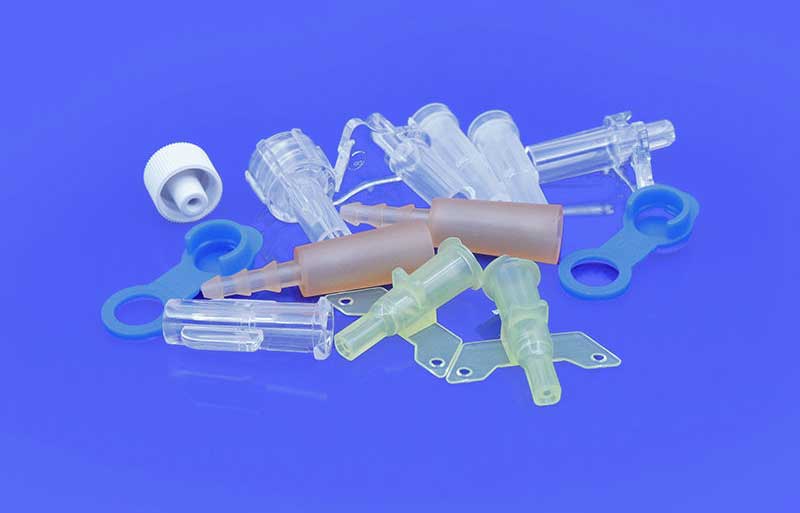
What Is Injection Molding?
Injection molding is a manufacturing process that uses thermoplastic raw materials. After being heated and melted, the molten plastic is injected under high pressure into a pre-designed mold, then cooled, solidified, and ejected to form the final product.
This technology can produce complex-shaped, high-precision components, with the advantages of mass production and low cost, making it an indispensable process in modern manufacturing.
Injection Molding Production Workshop
The Injection Molding Process
Raw Material Preparation
Before production, plastic raw materials are dried and pretreated to ensure they are free of moisture and impurities, guaranteeing product quality and molding performance.
Mold Design and Manufacturing
Mold design is the core of injection molding, directly affecting the dimensional accuracy and surface quality of the product. Based on product structure and functional requirements, designers use CAD and other software for precise design, and high-quality molds are manufactured using advanced equipment such as CNC machining and EDM.
Injection Molding
The injection machine injects pre-melted plastic into the mold cavity under high pressure. With strictly controlled temperature, pressure, and injection speed, the plastic uniformly fills every detail to form the desired product.
Cooling and Ejection
After the plastic cools and solidifies in the mold for a set period, the mold opens and the product is ejected. Precise control of cooling time and ejection speed is critical to ensuring dimensional stability and surface finish.
Post-Processing
Some products require secondary operations after ejection, such as trimming, surface treatment, and logo printing, to meet aesthetic and functional requirements.
Advantages of Injection Molding
- High Production Efficiency: Once the mold is completed, the injection machine can operate continuously for mass production, significantly reducing the unit cost.
- Strong Product Consistency: With precision molds and strict process parameter control, every manufactured part achieves high precision and excellent consistency.
- Flexibility and Versatility: Suitable for various thermoplastics, including ABS, polycarbonate (PC), nylon (PA), polypropylene (PP), etc., meeting different requirements for durability, appearance, and functionality.
- High Design Freedom: Complex product structures and fine details can be realized through injection molding, providing more possibilities for product innovation and differentiated competition.
Wide Applications of Injection Molding
Injection molding is widely applied across many industries:
- Automotive Industry: Instrument panels, bumpers, interior trims, and other components.
- Consumer Electronics: Mobile phone cases, laptop housings, home appliance parts, requiring high precision and premium appearance.
- Medical Devices: Syringes, medical instrument housings, and other high-standard medical components.
- Daily Necessities & Packaging: Plastic containers, toys, and packaging materials.
Future Outlook
With continuous advances in automation and intelligent manufacturing, injection molding will evolve toward higher precision, faster production, and lower energy consumption. Meanwhile, the adoption of eco-friendly materials and green processes will drive the sustainable development of the industry. By continuously optimizing production processes and upgrading equipment, enterprises will gain a competitive edge in the fierce market.
Injection molding not only provides an efficient and stable production method for modern manufacturing but also unlocks unlimited potential for product innovation and quality improvement across industries. If you are interested in injection molding technology or seeking a professional injection molding partner, we look forward to in-depth communication and exploring new frontiers of future manufacturing together.