
Overmolding Services

Precision multi-material bonding for durable, ergonomic, and cost-effective plastic components

What Is Overmolding?

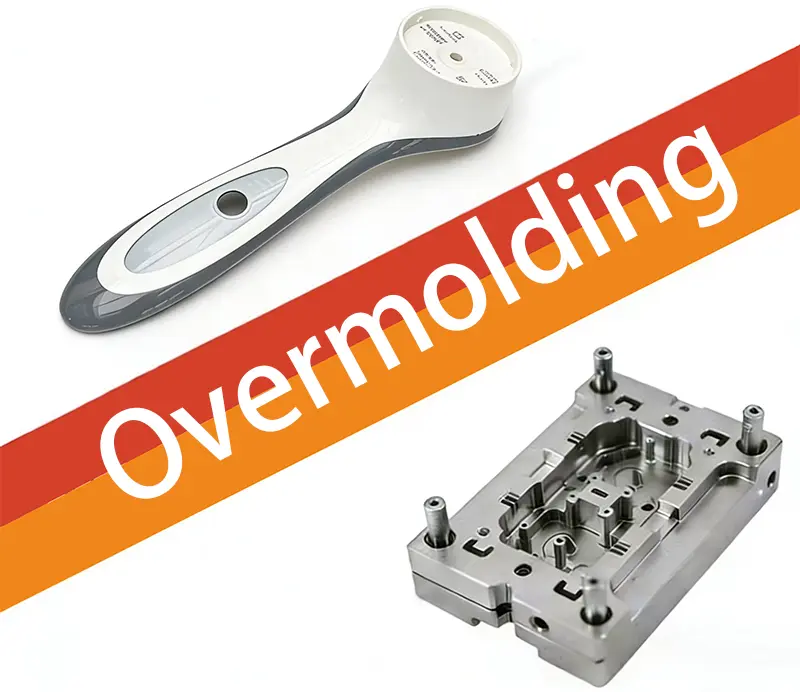
Overmolding is an advanced plastic injection molding technique used to combine two or more thermoplastic materials into a single, unified part. This process begins by injecting the first thermoplastic, known as the substrate, which forms the core structure of the product. A second material, called the overmold, is then injected either around or onto the substrate, bonding with it as the materials cool. The overmolding technique enhances the durability, functionality, and aesthetics of products, commonly used in high-volume production for industries that require high-performance parts, such as automotive, medical devices, and electronics.
 
Unlike two-shot/2K molding (a separate process covered on our dedicated page), overmolding uses a standard injection molding machine and pre-manufactured inserts, making it ideal for low-to-medium volume runs, complex insert geometries, and custom material combinations.

Overmolding Process Types

Plastic over Plastic

Crucial for mass production, involves machining, and assembling durable molds from steel or aluminum to ensure precise and repeatable part geometries.Ideal for mass production.
Rubber over Plastic

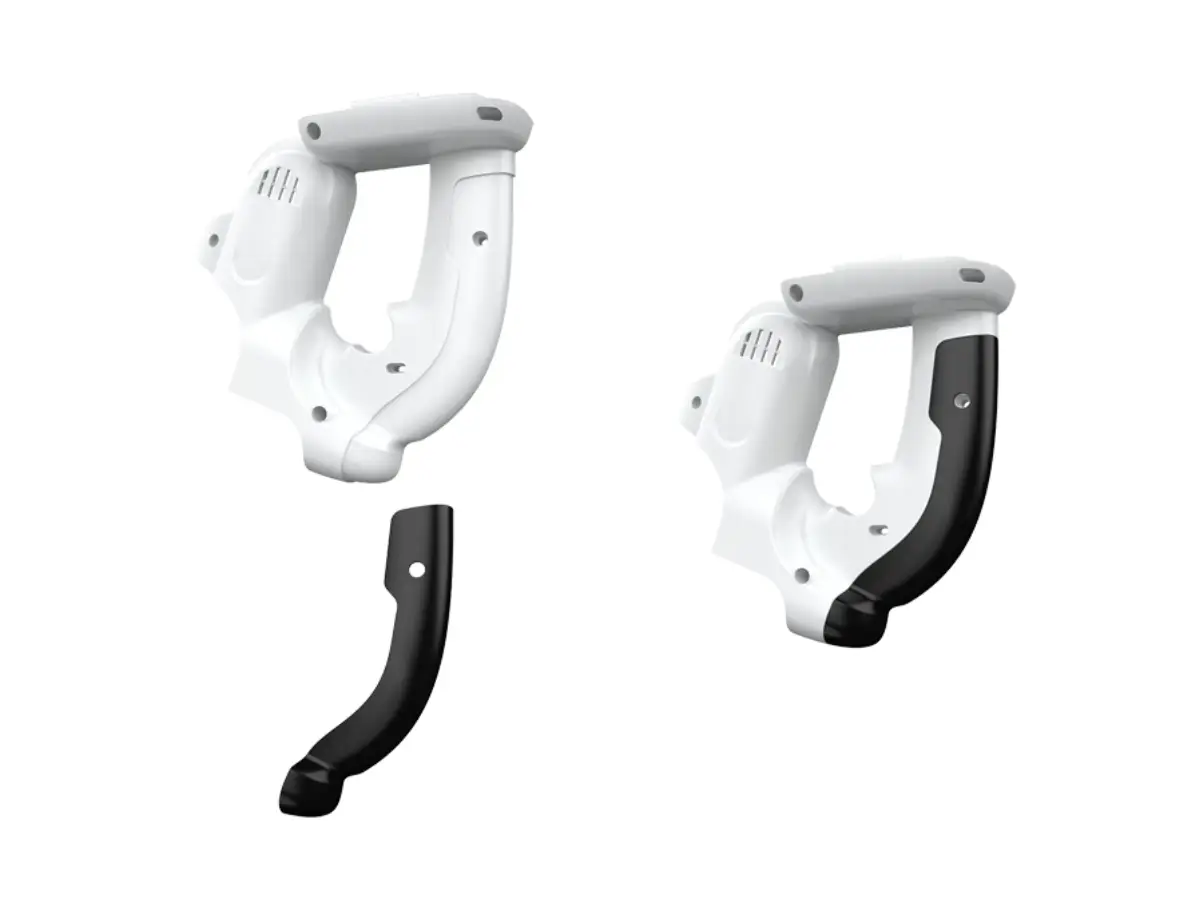
Overmolding improves product functionality and aesthetics by fusing different materials into one part, adding features like soft grips and multi-color designs for enhanced usability
Plastic Over Metal

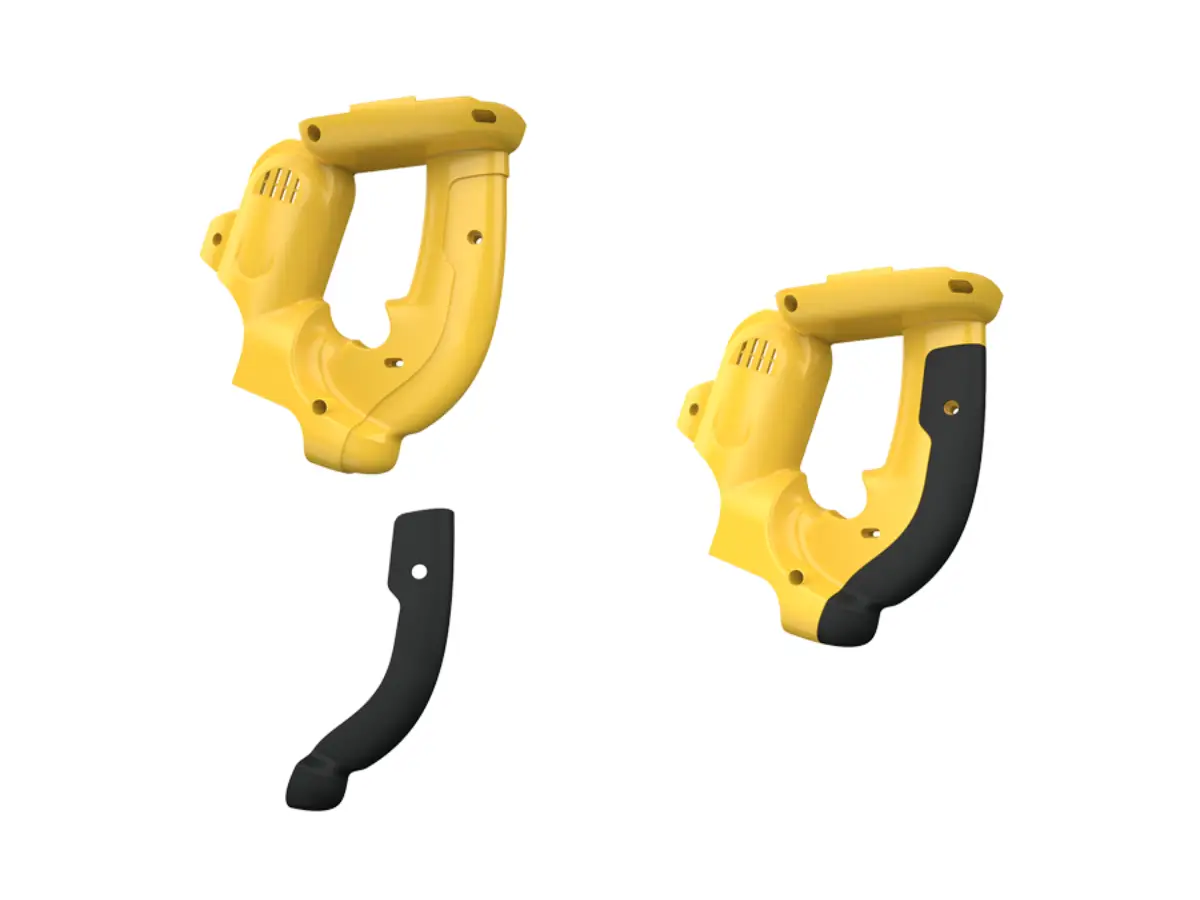
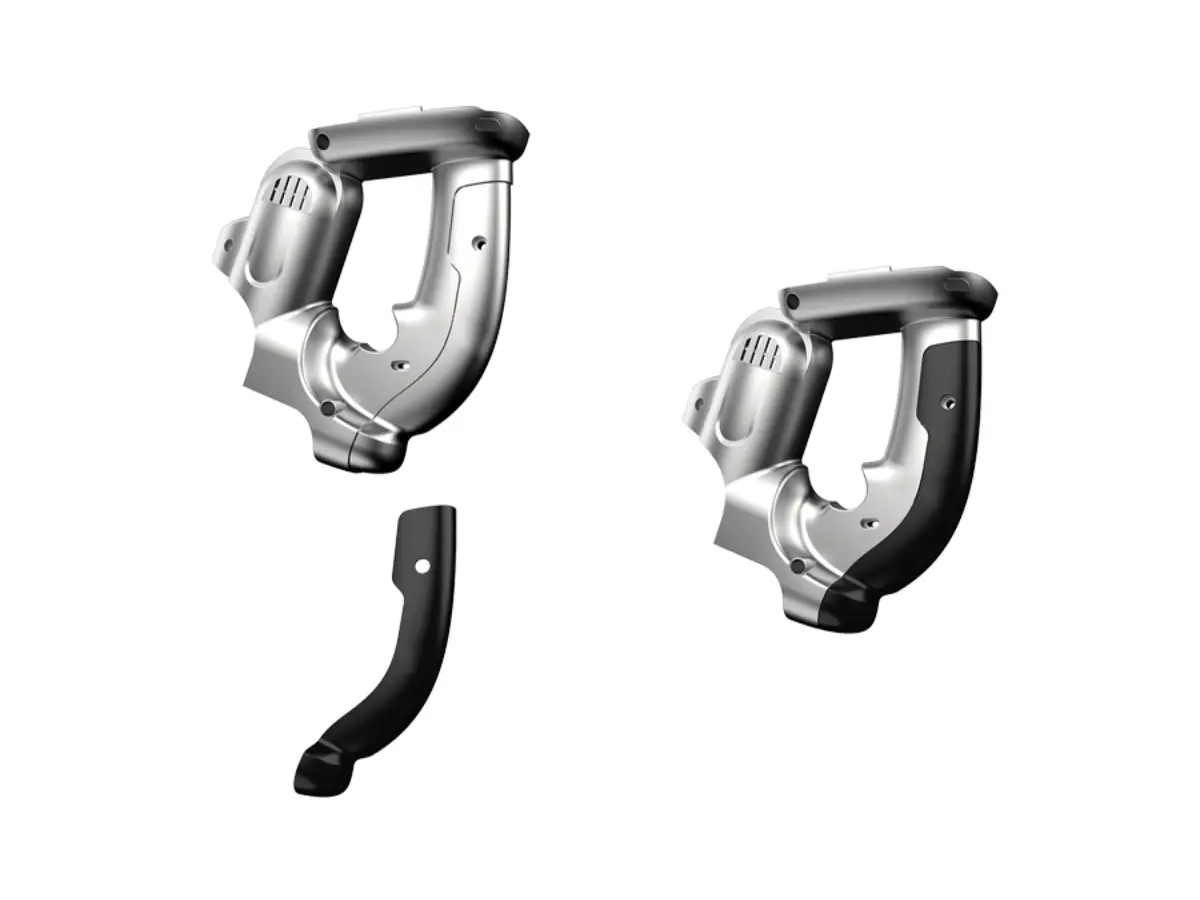
Insert molding integrates metal or other materials into plastic parts during molding, enhancing strength and reducing assembly time for components with embedded features.
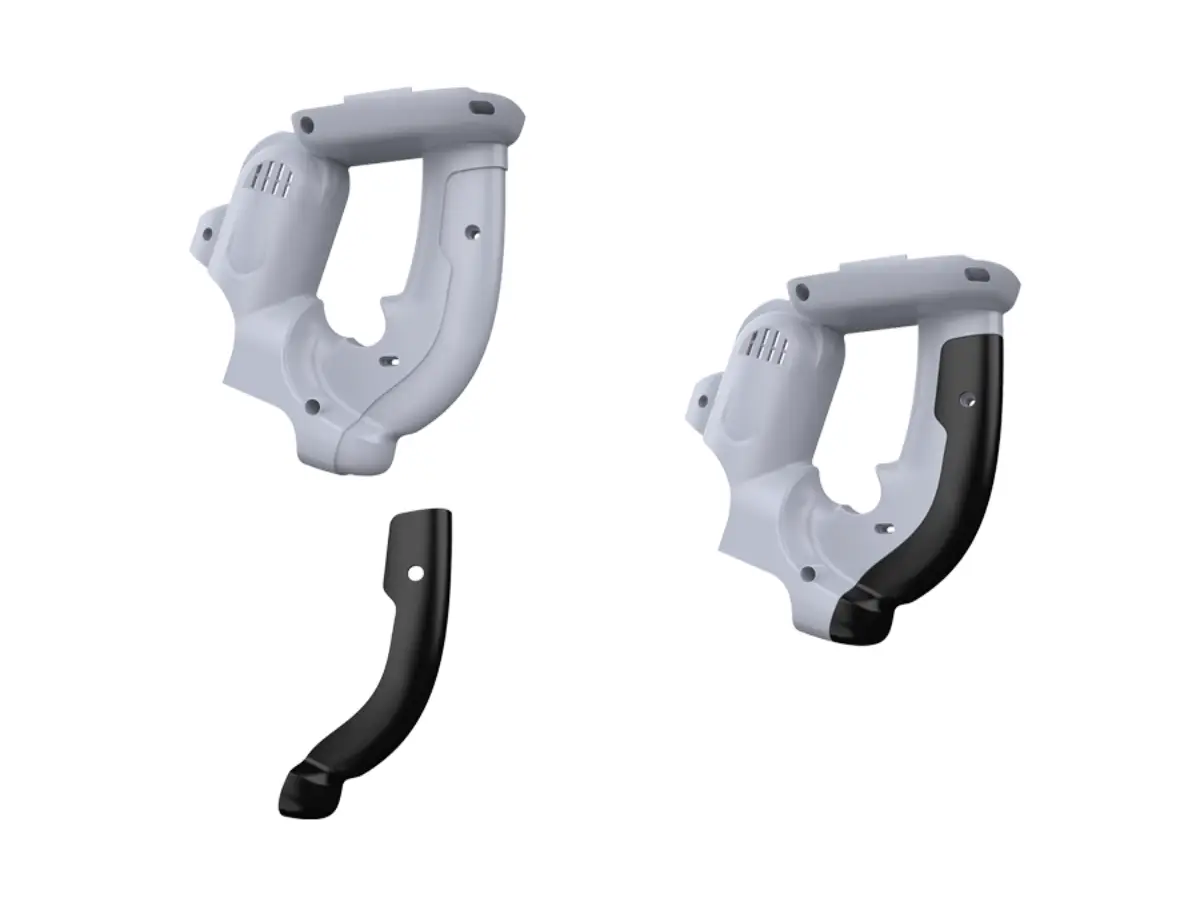
Rubber Over Metal

Insert molding integrates metal or other materials into rubber parts during molding, enhancing strength and reducing assembly time for components with embedded features.
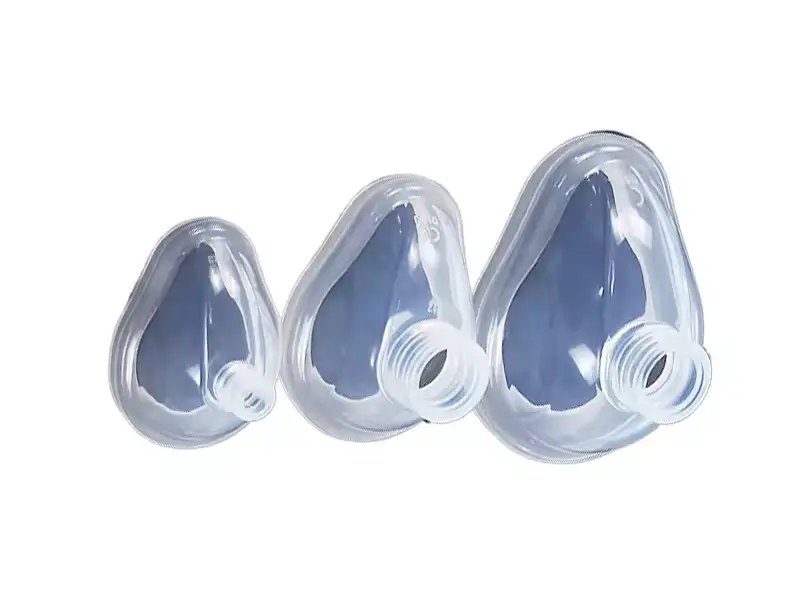
Key Benefits of Overmolding

Cost Reduction

Eliminate secondary assembly, adhesives, and fasteners, cutting labor and part costs by up to 30%

Enhanced Durability

Strong chemical bonding between materials, resistant to vibration, impact, and extreme temperatures

Design Freedom

Custom textures, colors, and material combinations for ergonomic, premium products

Functional Integration

Combine sealing, insulation, grip, and shock absorption in a single component

Versatility

Suitable for low-volume prototyping to mass production, with complex insert geometries

Materials for Overmolding

Our engineering team will validate material adhesion and compatibility for your specific application, ensuring long-term performance and reliability.

Industries & Applications

Medical Devices

Biocompatible, sterilizable materials for ergonomic, infection-resistant components
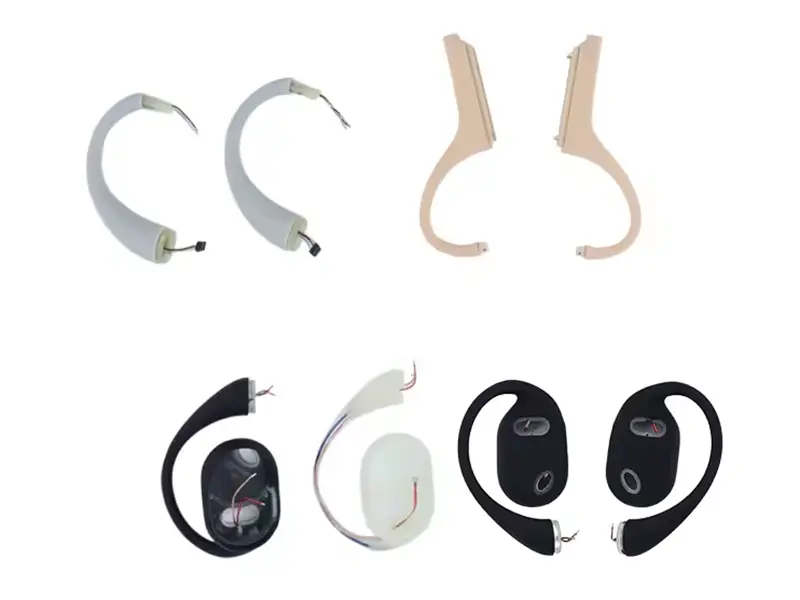
Consumer Electronics

Soft-grip comfort, IP-rated sealing, and premium aesthetic finishes
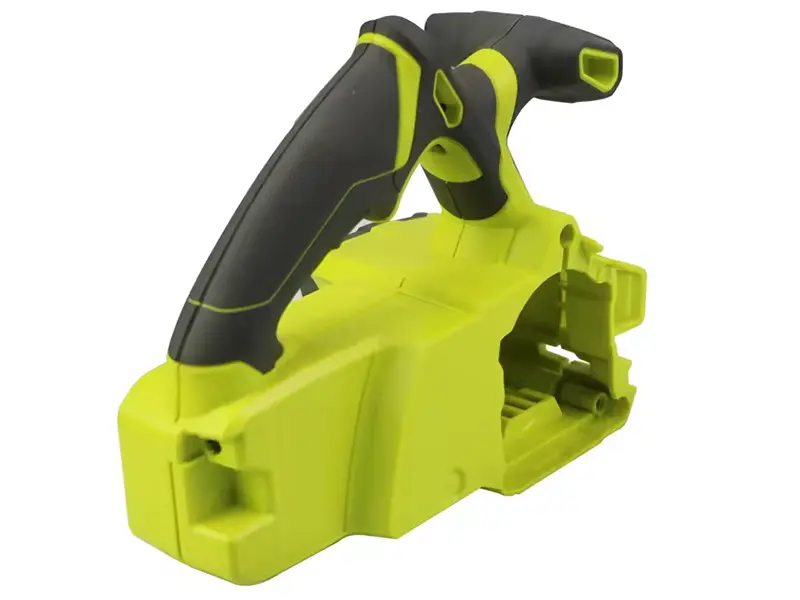
Tools & Equipment

Impact resistance, electrical insulation, and non-slip performance for safety
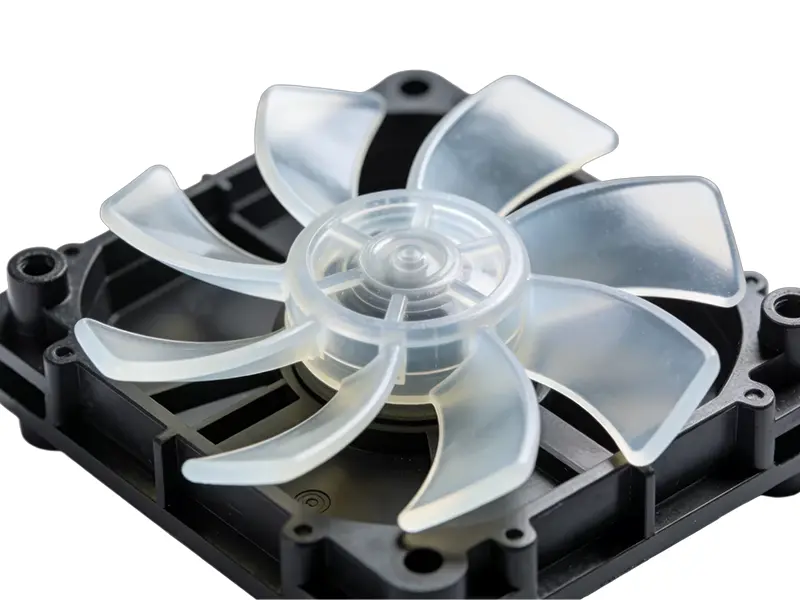
Automotive

Vibration damping, temperature resistance, and long-term durability

Our Overmolding Step

1.Design & Engineering Review

DFM analysis, material selection, and mold design optimization

2.Substrate/Insert Fabrication

Precision machining or injection molding of rigid base parts

3.Mold Setup & Insert Loading

Manual/automated insert placement in precision molds

4.Injection Molding & Bonding

High-precision injection of soft elastomer, forming chemical bond

5.Quality Inspection & Delivery

100% dimensional, adhesion, functional testing, on-time delivery

Why Choose Us for Overmolding?

15+ Years of Expertise

Specialized in complex overmolding for global clients

In-House Mold Making

Full control over mold design, fabrication, and maintenance for fast lead times

Prototyping to Mass Production

Flexible capacity for low-volume custom projects and high-volume runs

Free DFM & Engineering Support

Expert guidance to optimize your design for manufacturability and cost

Scroll to Top